HSED Toys
A remote control vehicle can look impressive on a shelf, yet real quality shows up after repeated use. It should respond predictably, handle everyday bumps, and remain easy to maintain. The answer to what makes a high quality remote control vehicle depends on more than speed or a polished body. Build materials, steering control, battery performance, and replacement-part availability all matter.
Small details matter. Inspect the chassis for sturdy construction and the tires for a grip suited to the surface. A responsive transmitter should make turns feel controlled, not abrupt. Check whether the battery is easy to remove and whether the product clearly states its running time and charging needs. These practical checks help buyers compare models without relying only on flashy claims. Still, no single feature guarantees a satisfying experience. Even a well-built vehicle can disappoint if its size, power, or controls do not suit the driver. That is worth considering.
The five tips ahead focus on features shoppers can actually assess, from durability to ease of use. They are intended to make product comparisons clearer, whether you are choosing a first vehicle or replacing an older one. Look beyond the box. A careful choice may save frustration later, though expectations should stay realistic: terrain, maintenance, and driving style affect performance.
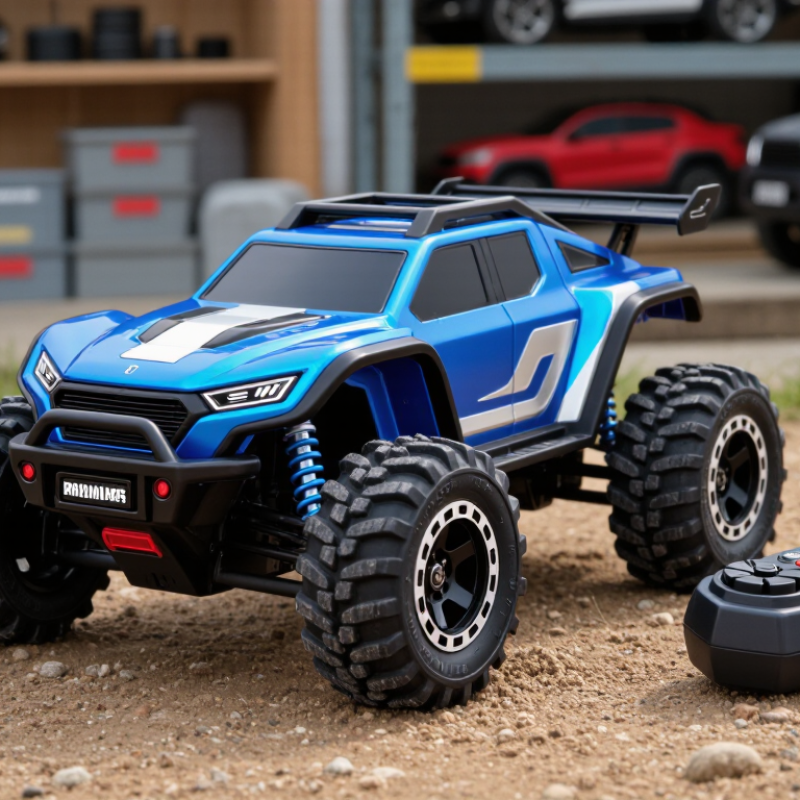
A high-quality remote control vehicle should respond smoothly, not merely advertise a long range. With 2.4 GHz radio control, several vehicles can often operate nearby with less interference than older systems. Still, walls, metal shelving, and crowded radio environments can weaken the link. Test the vehicle in an open area, then repeat near ordinary obstacles. Watch for delayed steering or brief signal loss.
Tip: Check the controller’s antenna and receiver connections before each run. Keep the antenna clear of batteries and metal parts. Small details matter. A quick range test can reveal a problem before it becomes a frustrating drive.
Regional compliance deserves equal attention. Radio frequency bands, permitted power levels, equipment approvals, and labeling rules can differ by destination. Do not assume that a product accepted in one market automatically meets another market’s requirements. Before buying, importing, or selling, verify the current rules with the relevant national regulator or a qualified compliance professional. Keep product documentation and test reports available when required. Requirements can change, and online listings may be incomplete. Even careful checks may miss a detail, so confirm the exact vehicle and controller configuration—not just the general 2.4 GHz designation.
Motor and ESC current ratings need to suit the vehicle as a system. A motor’s demand rises with heavy tires, tall gearing, soft ground, or repeated acceleration. A wheel caught against a curb can draw a sharp current spike. Check the motor maker’s continuous-current guidance, not just a brief peak figure. The ESC’s continuous rating should exceed the current the motor is expected to draw. A 20–30% margin can be a useful starting point, but it is not a universal guarantee. Ratings depend on cooling and test conditions.
Match voltage limits too. An ESC rated for the wrong battery voltage may overheat or fail, even if its current rating looks generous. Burst-current figures usually apply only for short periods. Don’t treat them as safe continuous capacity. After a few minutes of driving, check temperatures with a suitable sensor and follow the component makers’ limits. A hot ESC may point to poor airflow, but a binding gear or oversized tires can also be the cause. This is easy to misjudge. I’d check the drivetrain before buying a higher-rated controller; extra capacity alone may not fix the real problem.
Use these figures as general planning examples, not universal specifications. Actual current draw varies with gearing, tires, terrain, vehicle weight, airflow, and driving style.
| Vehicle Type | Typical Battery Setup | Example Motor Current Demand | Suggested ESC Rating | Matching Tip |
|---|---|---|---|---|
| Small indoor buggy | 2-cell LiPo, nominal 7.4 V | About 10–20 A sustained; higher brief peaks under acceleration | At least 25 A continuous, with a higher burst rating | Choose an ESC with continuous capacity above the motor’s expected sustained draw, rather than matching only its peak rating. |
| Lightweight 1/10-scale touring car | 2-cell LiPo, nominal 7.4 V | About 20–40 A sustained, depending on motor and gearing | At least 50 A continuous; approximately 60–80 A burst can provide useful headroom | Check current and temperature during a realistic run. Tight gearing and high-grip surfaces can increase load. |
| 1/10-scale off-road truck | 2-cell LiPo, nominal 7.4 V | About 30–60 A sustained; short peaks may be substantially higher | Typically 60–80 A continuous, with a burst rating suitable for acceleration loads | Large tires, soft ground, and repeated starts can raise current demand. Avoid selecting an ESC based only on unloaded motor figures. |
| High-power 1/10-scale vehicle | 3-cell LiPo, nominal 11.1 V | About 40–80 A sustained in demanding setups | Often 80–120 A continuous, subject to the motor and vehicle manufacturer’s limits | Confirm that the ESC supports the battery cell count and motor type. Higher voltage can increase power and heat if the setup is not appropriate. |
| Large 1/8-scale off-road vehicle | 4-cell LiPo, nominal 14.8 V | About 60–120 A sustained in high-load use | Commonly 120 A or more continuous, with an adequate burst rating and cooling | Use the motor’s specified voltage and current limits, and verify that battery, connectors, wiring, and ESC are all rated for the load. |
Practical check: The ESC’s continuous current rating should meet or exceed the motor’s measured or specified sustained current, with roughly 20–30% headroom where practical. Treat burst ratings as short-duration limits, not continuous capacity. Measure current with suitable equipment under controlled conditions, and monitor motor and ESC temperatures during testing.
A high-quality remote control vehicle needs a battery that matches its electronics, not just a large capacity number. For a standard LiPo cell, 3.7 volts is the nominal rating; a fully charged cell reaches 4.20 volts. A two-cell pack is therefore rated at 7.4 volts nominal and 8.4 volts when full. That difference matters when checking the vehicle’s voltage limits.
Tip: Count the cells and check the label before charging. Match the charger’s cell setting to the pack, and use balance charging when supported. I still double-check the connector and cell count, even when they seem obvious. Small oversights can cause trouble. Never assume that nominal voltage is the pack’s highest voltage.
A three-cell pack reaches 12.6 volts when fully charged, not 11.1 volts. Make sure the vehicle’s speed controller and motor are rated for that maximum. Charge on a clear, nonflammable surface, and stop if the pack looks swollen or feels unusually hot. Follow the battery maker’s instructions, since some battery types use different voltage limits. A careful check takes seconds; I admit it is easy to rush when a vehicle is ready to run.
When comparing remote control vehicles, treat the IP code as a useful test reference, not a guarantee for every outing. IEC 60529 uses the first digit for protection against solid objects and dust. A rating of IP5X means some dust may enter, but it should not interfere with operation. IP6X indicates a dust-tight enclosure under the standard test. The second digit describes water protection. For example, IPX4 covers splashing water, while IPX7 indicates temporary immersion under specified test conditions. The “X” means that category has not been rated or stated.
Real use is messier. Fine sand can work into wheel hubs, switches, or battery covers, even when the main housing has a strong dust rating. Check whether the rating applies to the complete vehicle or only certain components. After a wet run, inspect the battery compartment and dry exposed areas before storage. A stated IPX7 rating does not automatically mean the vehicle is suitable for pressure washing, salt water, or repeated submersion. Seals can also wear or shift after impacts. I would not rely on the label alone; a loose cover can change the practical protection considerably.
Compare dust and water protection using IEC 60529 IP ratings
The first digit rates protection against solid objects and dust (0–6); the second rates protection against water (0–8). For example, IP67 means dust-tight and protected against temporary immersion in water under specified test conditions. Check the manufacturer's stated test conditions before choosing a vehicle: the digits are separate scales, and an IP rating alone does not guarantee suitability for every environment.
A durable chassis should handle ordinary impacts without twisting, cracking, or loosening at its mounting points. Check the underside for reinforced areas around the suspension arms and battery tray. These spots take repeated stress when a vehicle lands unevenly or clips a curb. A little flex can absorb shocks; too much may affect steering and alignment. Rigid does not always mean stronger.
Look beyond the frame itself. Replacement arms, shock towers, steering links, and body clips should be easy to identify and order. A vehicle can survive a rough afternoon, but a broken part is still a problem if it takes weeks to find. Check whether common components are sold individually, not only as part of a large assembly. Small parts matter.
Serviceability is easy to overlook at the shop. Can you reach the screws with a standard driver? Do the battery and motor come out without dismantling half the vehicle? Clear diagrams and labeled hardware make routine repairs less frustrating. A quick inspection after a run can reveal loose screws, grit near moving joints, or a bent link. It is not glamorous. Still, even a well-built vehicle needs maintenance, and some repairs will take longer than expected. That is worth considering before buying.
A standard cell is rated at 3.7 volts nominal and reaches 4.20 volts when fully charged. The maximum matters.
Count the cells and read the pack label. Check that the speed controller and motor support the pack’s fully charged voltage.
It reaches 12.6 volts, not 11.1 volts. I still double-check the cell count; it is easy to rush.
Match the charger’s cell setting to the pack, and use balance charging when supported. Charge on a clear, nonflammable surface.
The first digit describes protection from solids and dust. IP5X allows some dust entry, while IP6X indicates a dust-tight enclosure under the standard test.
The second digit describes water protection. IPX4 covers splashing, while IPX7 covers temporary immersion under specified test conditions.
No. Sand may reach wheel hubs, and impacts can shift seals or loosen covers. Not always.
Check reinforced areas near suspension arms and the battery tray. Look for individually available replacement parts, accessible screws, and clear diagrams. Small parts matter.
Look for loose screws, grit near moving joints, or a bent steering link. Dry exposed areas after wet runs, and inspect the battery compartment. Some repairs take longer than expected.
What makes a high quality remote control vehicle is a balance of reliable control, well-matched electronics, sensible protection, and practical long-term support. A 2.4 GHz radio system can provide responsive operation and help reduce interference, but its permitted use and settings should be checked for the region where the vehicle will be operated. The motor and electronic speed controller (ESC) should also have compatible current ratings that suit the vehicle’s weight and intended use, helping avoid excess heat and unnecessary strain.
Battery details matter too: a LiPo cell is typically rated at 3.7 V nominal and reaches 4.20 V when fully charged, so charging and handling should follow the battery maker’s instructions. For outdoor use, compare dust and water protection by consulting IEC 60529 IP ratings rather than relying on vague claims. Finally, a durable chassis, accessible replacement parts, and straightforward serviceability can make repairs easier and extend the vehicle’s useful life.
