HSED Toys
Choosing your first remote control vehicle can feel harder than driving it. Online listings mix car, truck, buggy, and crawler designs, each built for different surfaces and expectations. A fast model may look exciting, but speed is not much fun if it struggles on your driveway or drains its battery quickly. The useful question is how to choose remote control vehicles for beginners based on where, how, and how often you plan to use one.
This guide shares 10 practical tips for comparing vehicle types, controls, battery life, durability, and replacement parts. A smooth, open parking area calls for different tires and suspension than a backyard with grass, roots, and small stones. Check the vehicle’s size, too: a compact model is easier to store, while a larger one may handle uneven ground more steadily. Look for clear instructions, accessible customer support, and parts that are easy to find. These details matter after the first bump, not just during an unboxing.
Keep expectations realistic. “Ready to run” does not always mean every useful accessory is included, and advertised runtime can vary with terrain and driving style. That can be disappointing. Before buying, read the product specifications and think about who will use the vehicle. For younger drivers, choose simple controls and follow the manufacturer’s age guidance. A thoughtful first choice can make learning enjoyable, though no model is perfect for every driver or surface.
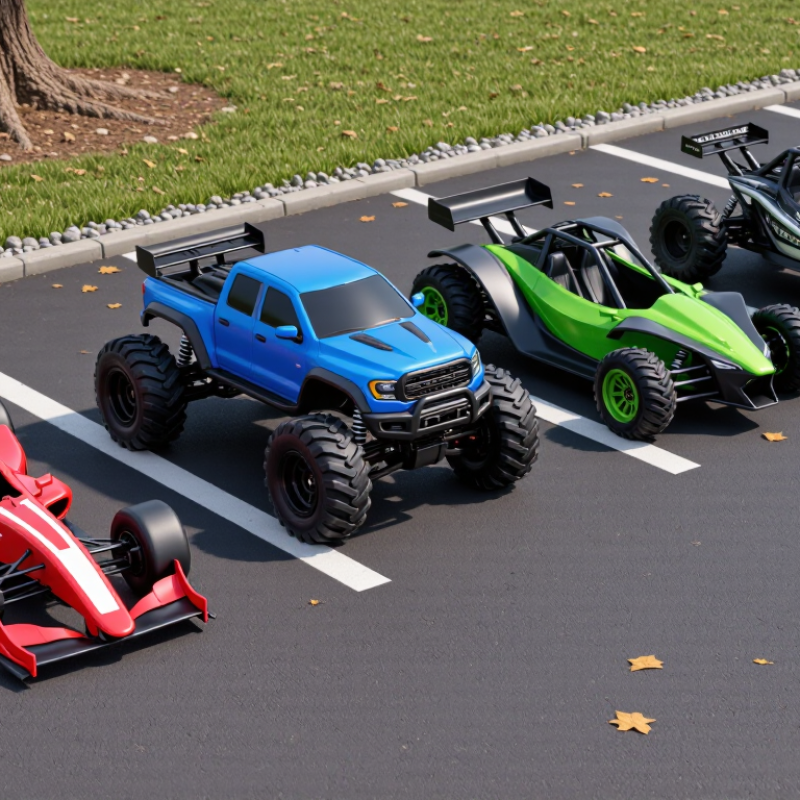
Remote-control vehicles are not one-size-fits-all. RC cars and trucks are common starting points because they work on driveways, paths, and indoor floors. Trucks with larger tires handle loose gravel better, while low-profile cars are happiest on smooth ground. RC crawlers move slowly over rocks and uneven surfaces. That slower pace can make steering easier to learn. Small details matter.
Boats need a suitable body of water and careful drying after use. RC aircraft, including planes and multirotors, involve three-dimensional movement and need open space. Their controls may feel less intuitive at first. I learned that choosing by appearance alone can be misleading; a fast car looks exciting, but speed is not much fun on a cramped patio. Check the vehicle’s scale, battery run time, and replacement-part availability. Also consider where you can use it safely and consistently.
Tips: Match the vehicle to your usual surface, not an imagined track. Beginners often benefit from adjustable speed and simple controls. Practice gentle turns in a clear area, then increase speed gradually. A small, honest test drive can reveal more than a long feature list.
Before comparing speed or scale, set a full ownership budget. Include the vehicle, batteries, charger, basic tools, and likely replacement parts. A low purchase price can hide costly battery or repair needs. Circana’s 2023 U.S. toy industry report recorded an 8% sales decline, to $28.3 billion, with units down 7% and average prices down 1%. This is broad toy-market data, not an RC-specific price guide, so use it as context rather than a shopping forecast. Keep it simple. Leave some money for a spare battery and tires.
Match the vehicle to your skill level and where you will drive it. For a beginner, a ready-to-run model with clear instructions and readily available parts can reduce setup frustration. A smooth driveway is kinder to a new driver than loose gravel or tall grass. Indoors, a smaller, slower vehicle may be easier to control. Think about intended use, too: casual laps, crawling over obstacles, or running with friends call for different designs. Check runtime, charging time, and surface suitability before buying. I’d avoid paying extra for advanced features before knowing which ones matter; that’s an easy mistake to make. A little research helps, but the best choice depends on your actual space and patience.
For a first remote control vehicle, compare power systems by how you will actually use it. Electric models are usually simpler to start, quieter, and easier to run in a driveway or park. Check the battery type, charging time, and cost of replacements before buying. Some packs provide only a short session, which can surprise new drivers. Fuel-powered vehicles may suit people who want longer runs and enjoy mechanical upkeep, but they often need more preparation and make more noise. Keep it simple.
Controls matter just as much. A trigger-style transmitter often feels intuitive for acceleration and braking, while a steering wheel gives clear left-and-right input. Hold the transmitter before choosing, if possible; small hands may find some layouts tiring. Look for adjustable speed settings, which make early practice less stressful. Test close first.
Treat the advertised operating range as a guide, not a promise. Walls, trees, low batteries, and nearby radio activity can affect control. Start in an open area and keep the vehicle within clear sight, especially while learning. A longer range is not automatically better if steering feels jumpy or the vehicle is hard to judge at a distance. I would give smooth, predictable control more weight than a large number on the package.
A beginner’s vehicle should match the ground where it will actually run. Smooth indoor floors suit small wheels and modest ground clearance; gravel, grass, and cracked paths need larger tires and more clearance. Check the maker’s stated terrain guidance, then compare it with the bumps and loose stones in your own yard. A fast model can struggle badly in long grass. Small details matter.
Durability is more than a tough-looking shell. Look for replaceable body panels, protected wiring, and suspension parts that can be inspected without special tools. For a first drive, low speed and gentle steering are useful; sudden turns on rough ground can flip a lightweight vehicle. The U.S. Consumer Product Safety Commission’s 2023 Toy-Related Deaths and Injuries report estimated 231,700 toy-related emergency-department injuries in the United States. The figure covers all toys, not remote-control vehicles alone, but it is a useful reminder to consider impact and age-appropriate supervision.
Check for a clearly marked age range, a battery compartment that closes securely, and a control system that stops the vehicle when the connection is lost. Keep fingers clear of moving wheels, and charge batteries only as directed. Not glamorous. Compare runtime claims with the battery capacity and charging time, too; a short drive can feel disappointing when the vehicle needs hours to recharge. If instructions are vague, pause before buying.
For a first remote-control vehicle, choose a sturdy model with simple controls and moderate speed. A lightweight vehicle is easier to steer in a driveway or quiet park, and replacement parts should be easy to identify. Avoid choosing only by appearance; tiny tires may struggle on grass, while large, fast vehicles can feel difficult to manage. Check the manual for battery type, charging time, and basic repair steps before buying.
Tips: Start on a flat, open surface. Keep the first runs short. Check steering and brakes before driving near obstacles. Choose a model with accessible wheels and body clips.
After each run, brush away dust and grass with a soft, dry brush. Inspect tires, screws, and the battery area; loose parts are easier to fix before they disappear in the yard. Let the battery cool before charging, and follow the instructions rather than guessing. A small screwdriver and labeled parts box can prevent frustrating searches. Maintenance sounds boring, honestly. Still, skipping it can turn a minor wobble into a repair.
| Tip | What to Look For | Beginner-Friendly Guidance | Maintenance Plan |
|---|---|---|---|
| 01 | Choose the right vehicle type | Pick a vehicle suited to where you will drive. A simple on-road car works well on smooth pavement; a monster truck or buggy is generally more suitable for dirt and uneven ground. | After each run, remove dirt and grass from the wheels, chassis, and moving parts. Keep the vehicle dry unless its manual states that it is designed for wet conditions. |
| 02 | Start with manageable speed | Look for a model with a beginner or reduced-speed setting. Lower speed makes steering easier to learn and can reduce damage from collisions. | Check the manual for speed-setting instructions and inspect the body, wheels, and steering after impacts. |
| 03 | Check the scale and size | Vehicle scale describes its approximate size relative to a full-size vehicle. Smaller models can be easier to store, while larger models may handle rough ground better; actual performance varies by design. | Confirm that replacement parts and suitable batteries are available for the specific model before buying. |
| 04 | Understand the power system | Electric models are often a straightforward starting point because they do not require fuel mixing or engine tuning. Check whether the battery and charger are included. | Use only the battery type and charger specified in the manual. Disconnect the battery after use and inspect its casing and wires for damage. |
| 05 | Consider realistic run time | Run time depends on battery capacity, driving style, terrain, and vehicle setup. Read the model specifications and consider a compatible spare battery for longer sessions. | Allow batteries to cool before recharging, follow the charging instructions, and store them as directed by the manufacturer. |
| 06 | Look for durable, replaceable parts | A sturdy chassis and commonly replaceable items—such as tires, suspension arms, and body panels—can make repairs more practical for a new hobbyist. | Check for loose fasteners and damaged parts regularly. Replace damaged components with parts specified for the vehicle. |
| 07 | Prioritize simple controls | A comfortable transmitter with clear steering and throttle controls helps new drivers build confidence. A steering trim adjustment can help the vehicle track straight. | Before driving, check steering response and confirm that the controls work as described in the manual. |
| 08 | Check where it can be used | Match the tires, ground clearance, and vehicle design to your usual surface. Avoid assuming that a vehicle is waterproof unless its specifications clearly say so. | After dusty or muddy use, clean the vehicle according to its care instructions and dry it thoroughly before storage. |
| 09 | Budget for more than the vehicle | Include batteries, a compatible charger, basic tools, and likely replacement parts in your budget. An advertised vehicle price may not include every item needed to run it. | Keep a small maintenance kit and set aside funds for wear items such as tires, bearings, or suspension parts, depending on the model and use. |
| 10 | Make a simple maintenance routine | Choose a model with a clear manual and straightforward access to its battery and serviceable parts. Beginners benefit from learning routine checks before attempting upgrades. | Before each run, inspect the battery, tires, steering, and fasteners. After each run, clean the vehicle and note any unusual sounds, looseness, or damage. |
A ready-to-run model with simple controls can reduce setup frustration. Adjustable speed helps, too. Keep the first drive slow.
Larger truck tires handle loose gravel better. Low-profile cars usually suit smooth driveways and indoor floors. Match the vehicle to your real space.
Their slower pace can make steering easier to practice on rocks and uneven ground. Still, slow does not mean effortless.
Boats need suitable water and careful drying afterward. Aircraft need open space and three-dimensional control, which may feel unfamiliar at first.
Include batteries, a charger, basic tools, and likely replacement parts. A spare battery and tires can be useful. Small costs add up.
Not necessarily. A low purchase price may hide battery or repair costs. I’d leave room in the budget for the less exciting essentials.
Choose a clear, smooth area. Practice gentle turns, then increase speed gradually. A short test drive often reveals more than a long feature list.
Check runtime, charging time, surface suitability, and replacement-part availability. Advanced features can wait until you know what you actually need.
Choosing a remote control vehicle for the first time is easier when you start with the basics. Learn the differences among cars, trucks, boats, aircraft, and other types, then consider your budget, current skill level, and where you plan to use the vehicle. These factors help narrow your options and prevent you from paying for features you may not need. When comparing models, look at the power system, how the controls work, and the vehicle’s operating range.
A suitable beginner model should match the terrain and be sturdy enough for occasional bumps. Check for practical safety features, clear instructions, and parts that are easy to clean or replace. A simple, durable design can make learning more enjoyable and help keep ongoing costs manageable. If you are wondering how to choose remote control vehicles for beginners, focus on a good fit for your intended use, easy handling, and a realistic maintenance plan rather than choosing the most complicated option.
