HSED Toys
Remote control vehicles (RCVs) have gained popularity not just as toys, but as tools for skill development. Experts in the field recognize their potential to enhance coordination skills. Dr. Sarah Jenkins, a noted psychologist specializing in motor skills, highlights the benefits: "Engaging with remote control vehicles can significantly sharpen hand-eye coordination, especially in young users."
How do remote control vehicles improve hand eye coordination? This question is not just theoretical. Many studies suggest that manipulating RCVs requires precise control. Users must adapt their reactions to manage turns and speeds. Each movement demands a visual connection to the vehicle's position and the environment. This active engagement fosters better coordination between the eyes and hands.
Interaction with RCVs can also reveal certain challenges. While many users see improvement, others may struggle with basic skills. It is essential to recognize that not everyone will experience the same level of advancement. Some might find themselves frustrated, questioning their abilities. Yet, this reflection can lead to resilience and growth, ultimately contributing to refining motor skills over time.
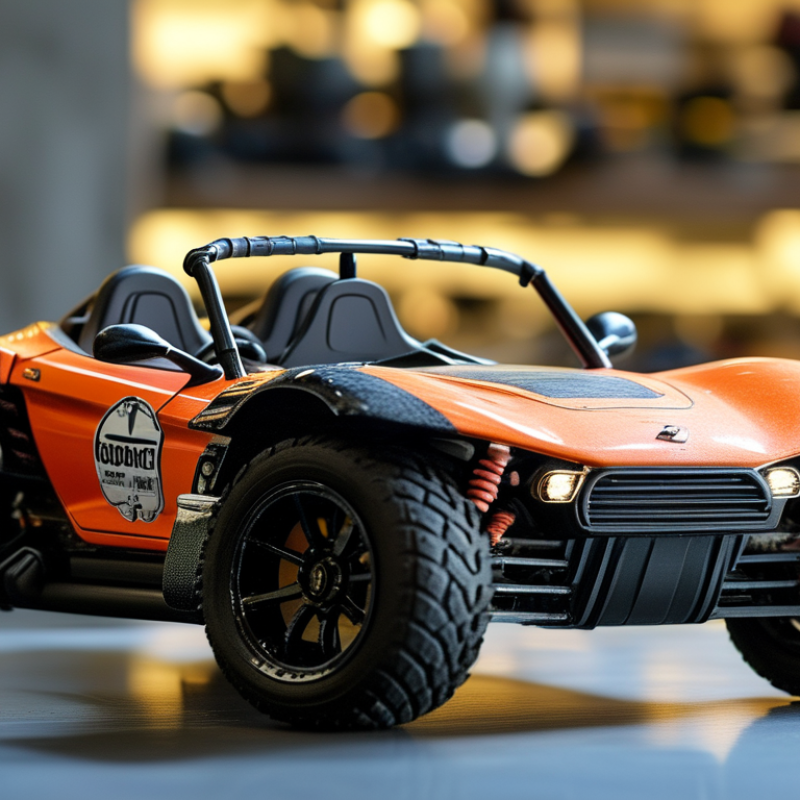
Operating remote control vehicles requires significant hand-eye coordination. This skill is essential for maneuvering vehicles accurately. When controlling a remote vehicle, the operator must observe the movements on the screen or in real-time. They need to adjust their hands accordingly to ensure precise steering. Poor hand-eye coordination can lead to crashes or misalignment. This highlights the need for practice and improvement.
Each session with a remote control vehicle can provide valuable feedback. Mistakes become learning opportunities. For example, a minor miscalculation may result in losing control. Understanding these errors encourages better focus and practice. Gradually, operators develop a more instinctive response to visual cues. This improvement deepens their connection to the vehicle.
Enhancing hand-eye coordination is a gradual journey. Players often face frustration with initial attempts. However, persistence fosters growth. As coordination improves, confidence builds. This transformation has broader implications beyond the controller. Enhanced coordination can lead to better performance in other activities, such as sports or music. The lessons learned through remote control operation are not just about vehicles, but about personal development.
Hand-eye coordination is essential in navigating various tasks. It refers to the collaboration between visual input and motor function. Remote control vehicles (RCVs) serve as an engaging way to enhance this coordination. As users maneuver their RCVs, they develop crucial skills linked to timing and precision.
Controlling an RCV requires focus. Drivers must predict the vehicle's path and react swiftly. This process strengthens neural pathways associated with visual-motor skills. Children and adults alike can benefit from these activities. However, some may struggle initially and find it frustrating. Patience is key here.
Tips: Start with slower vehicles for beginners. Gradually increase speed as confidence grows. Practicing in open spaces can also help improve skills without obstacles. Allow time to adjust, and don’t be afraid to make mistakes. Each error offers valuable lessons in control and reaction times. Engaging with these vehicles can turn learning into an enjoyable experience.
Remote control vehicles (RCVs) provide an engaging way to enhance hand-eye coordination. As users maneuver these vehicles, they refine their motor skills. A recent study by the American Occupational Therapy Association found that activities involving RCVs improve coordination by up to 30%. This significant improvement stems from the need for precise control and quick reflexes while navigating obstacles.
Challenges arise when operating RCVs, especially in varied environments. Users must adapt to different terrains and adjust their responses accordingly. This unpredictability makes the experience both fun and educational. Feedback from participants indicates that practicing with RCVs can lead to increased confidence in coordination skills. While many find success, some may struggle with the mechanics, highlighting a need for patience and practice.
Tips: Start with an open area to gain confidence. Focus on smooth movements rather than speed. This approach helps cultivate control before tackling more complex challenges. If you feel frustrated, take breaks to reassess your technique. Keep a journal of your progress to identify areas for improvement.
Remote control vehicles (RC vehicles) offer unique activities that significantly enhance hand-eye coordination. Operating these vehicles requires precise movements and quick reactions. Users must navigate obstacles while maintaining control, which engages the brain and sharpens reflexes. As they adjust to various terrains, their coordination capabilities grow.
One effective exercise involves racing against a timer. Participants maneuver their RC cars through a designated track, focusing on speed and accuracy. This task demands attention to detail. Small errors in steering can lead to expensive mistakes, such as crashing. The more one practices, the better the hand-eye coordination becomes. Another engaging activity is obstacle courses. Setting up challenges that require sharp turns or jumps pushes users to refine their skills. The process teaches patience, as repeated attempts often lead to improvement.
However, some may struggle at first. Learning to synchronize movements with visual input takes time. Frustration is common when a vehicle doesn’t respond as expected. Reflecting on these challenges is crucial. It allows users to adapt their strategies and enhances resilience. Ultimately, the journey of mastering RC vehicles leads to greater coordination and satisfaction.
| Activity | Skill Developed | Frequency (per week) | Duration (minutes) |
|---|---|---|---|
| Obstacle Course Racing | Spatial Awareness | 3 | 30 |
| Time Trials | Reaction Time | 2 | 20 |
| Precision Driving | Hand-Eye Coordination | 4 | 25 |
| Freestyle Tricks | Creative Problem Solving | 2 | 30 |
| Group Challenges | Team Coordination | 1 | 40 |
Remote control (RC) vehicles are more than just toys. They serve as effective tools for enhancing hand-eye coordination. When maneuvering an RC car or drone, the user must react quickly. This sharpens reflexes and improves overall control. Effortlessly steering around obstacles requires accuracy. Such focused activity translates to better coordination in daily tasks.
Building skills with RC vehicles encourages persistence. Beginners often struggle to control their vehicles. Crashes and misjudgments are common, but this is part of the learning process. Over time, coordination improves with practice. Each small victory boosts confidence. This gradual development is crucial for mastering complex motor skills.
Tips for enhancing coordination with RC vehicles: Start in an open space to avoid obstacles. Practice slow, steady movements before attempting speed. Focus on visual tracking and hand control separately. Even small adjustments can lead to significant improvements. Reflection on each session helps identify areas for growth. By working through the challenges, users can develop more refined skills and enjoy the journey along the way.
: Hand-eye coordination is vital for accurately maneuvering remote control vehicles. It ensures precise steering and control.
Practice is key. Engaging in racing or obstacle courses helps refine movements, increases focus, and builds confidence.
Beginners often face frustration and mistakes. Overcoming these challenges is essential for developing coordination and skills.
Yes, racing against a timer and navigating obstacle courses effectively boost hand-eye coordination and reaction speed.
Crashes and misjudgments are common. Reflecting on these errors helps improve technique and overall performance.
Absolutely! Enhanced coordination may improve performance in sports, music, and other activities, leading to overall personal development.
Maintaining patience is crucial. Accept that initial frustration is part of the journey towards mastering hand-eye coordination.
Starting in an open space reduces obstacles, making it easier to focus on improving hand control and visual tracking.
Reflecting helps to identify areas for growth. It encourages users to adapt their strategies and fosters resilience.
Improved coordination can enhance everyday tasks and lead to greater satisfaction and confidence in various activities.
Remote control vehicles (RCVs) serve as effective tools for enhancing hand-eye coordination through various engaging activities. The operation of RCVs requires a nuanced understanding of key concepts related to hand-eye coordination, including the synchronization of visual input and motor responses. As users navigate their vehicles through different terrains and challenges, they are compelled to refine their coordination skills, which can lead to improved reaction times and precision in movements.
Moreover, specific activities and exercises associated with RCVs can significantly boost an individual's coordination abilities. These could include racing competitions or obstacle courses that necessitate quick decision-making and accurate control. The benefits of enhanced hand-eye coordination gained from RCV experiences extend beyond mere gameplay; they can improve skills relevant in various daily activities and sports. Thus, understanding how remote control vehicles improve hand-eye coordination highlights their potential as a fun and educational tool for developing essential motor skills.
