Remote control vehicles (RCVs) are not just toys; they play an important role in developing motor skills. Dr. Amy Harris, an occupational therapist, emphasizes this potential by stating, "RCVs require coordinated movements, which enhance fine motor control." As children's hands grasp controllers and guide vehicles, they engage in complex tasks.
Many children struggle with precise movements. RCVs offer a fun way to practice these skills. The act of steering, accelerating, and braking fosters hand-eye coordination. Kids learn to adjust their movements based on the vehicle's response. This interactive learning process encourages active participation.
Yet, it's essential to consider balance. Excessive use of RCVs can lead to over-dependence on technology. Moderation is key. Parents should monitor usage to ensure children also engage in other physical activities. Overall, understanding how do remote control vehicles enhance motor skills opens avenues for effective learning.
Understanding Motor Skills and Their Importance in Development
Motor skills are essential for daily activities and overall development. They refer to movements that require coordination between the brain, muscles, and nervous system. Fine motor skills involve small movements, like grasping or writing. Gross motor skills encompass larger movements, such as running and jumping. Both types play key roles in childhood development.
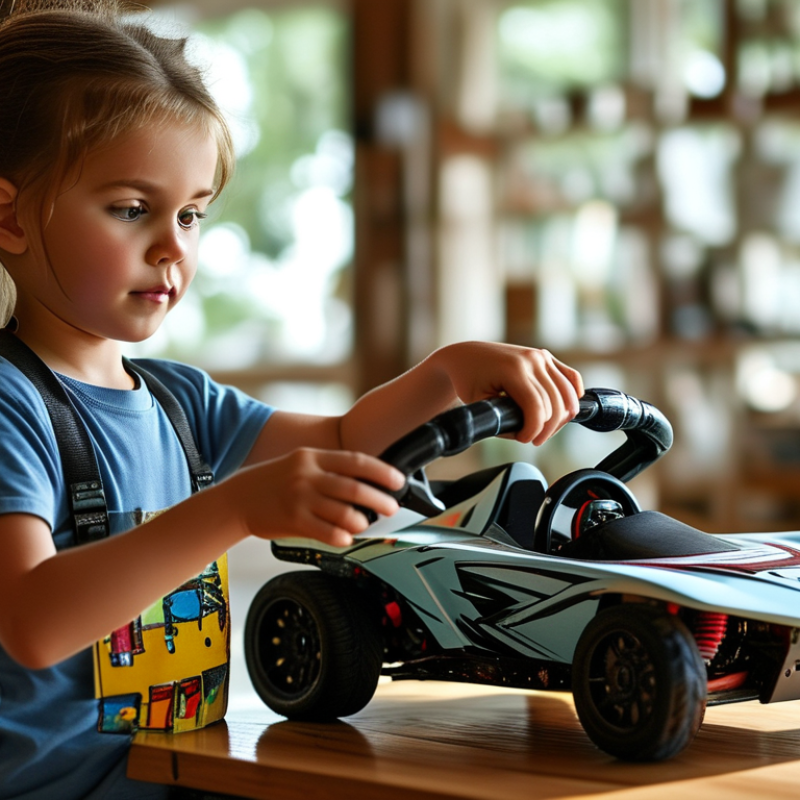
Remote control vehicles offer a fun way to enhance these skills. Steering a car or drone can improve hand-eye coordination. Children learn to navigate obstacles, which requires quick thinking and planning. As they engage with these toys, their dexterity improves. This active play boosts confidence and encourages creativity. However, it's crucial to monitor screen time. Balance is needed among various play types for optimal development.
Parents should consider their children’s interests when incorporating these vehicles. Not every child will respond the same way. Some may find the technology challenging, while others may thrive. Reflection on their experiences helps in understanding their progress. Each child’s motor skill journey is unique, and fostering a supportive environment is essential for growth.
The Role of Remote Control Vehicles in Enhancing Coordination
Remote control vehicles offer a unique way to enhance coordination. As users navigate these vehicles, hand-eye coordination becomes crucial. Each movement requires precise control, whether navigating tight spaces or racing against time. The immediate feedback from the vehicle's response helps users adjust their actions. This creates a dynamic environment for learning and developing skills.
Practicing with remote control vehicles can lead to improved motor skills over time. Young users can particularly benefit from engaging with these toys. They improve their dexterity and develop spatial awareness. Manipulating the remote control while watching the vehicle enhances concentration. The overall experience encourages a fun yet challenging approach to skill development.
Engaging regularly with remote control vehicles can yield noticeable results. Set aside time for frequent practice. Choose challenging terrains to boost skills further. Focus on slow maneuvers before speeding up. Reflect on moments of difficulty to identify areas of improvement. This method nurtures a sense of achievement. Building coordination takes time and patience, but the rewards can be significant.
How Remote Control Play Improves Fine Motor Skills
Remote control play serves as a dynamic tool for enhancing fine motor skills in children. Engaging with these vehicles requires precise movements, which promote coordination. According to the American Occupational Therapy Association, activities that involve hand-eye coordination, like remote control play, can significantly boost children's motor skills. When children maneuver these vehicles, they develop not only dexterity but also spatial awareness.
Research indicates that children who engage in remote control activities demonstrate improved grip strength and hand stability. A study published in the Journal of Pediatric Rehabilitation Medicine highlights that play-based interventions can lead to a 30% improvement in fine motor abilities. Manipulating controllers encourages repeat practice, which is essential for muscle development. However, children may sometimes struggle with the complexity of controls, leading to moments of frustration and reflection on their methods.
Moreover, remote control play often doesn’t guarantee immediate success. Children may initially struggle to make their vehicles function as intended. This process of trial and error fosters resilience. It's crucial for caregivers to recognize that the journey of learning through play may be uneven. Mistakes can lead to valuable lessons. The balance between challenge and engagement is vital. Understanding this aspect of play can significantly enhance fine motor skills over time.
Cognitive Benefits of Operating Remote Control Vehicles
Operating remote control vehicles (RCVs) offers significant cognitive benefits. Engaging with RCVs can sharpen hand-eye coordination, spatial awareness, and problem-solving skills. A study from the University of California found that children practicing fine motor skills improved their cognitive performance by as much as 30%. This activity is not just fun; it contributes to essential cognitive development.
Furthermore, when children operate RCVs, they learn to focus and strategize. They must navigate courses and avoid obstacles, which enhances critical thinking. In fact, research indicates that this type of engagement can lead to improved multitasking abilities. A report by the American Psychological Association suggests that interactive play, including RCV operation, boosts brain development in young children. Such activities can stimulate neural connections that are vital for learning and creativity.
However, it's essential to recognize the challenges involved. Some children may struggle with frustration when they encounter difficulties. This can briefly hinder their motivation. Encouraging resilience in these moments is crucial for their growth. Finding the balance between guidance and independence can enhance their learning experience, making the benefits of operating RCVs even more valuable.
Motor Skills Development from Remote Control Vehicle Operation
This chart illustrates the percentage improvement in various motor skills associated with operating remote control vehicles. The data indicates notable enhancements in hand-eye coordination, fine motor skills, and concentration, highlighting the cognitive benefits of engaging in such activities.
Practical Applications of Remote Control Vehicles in Therapeutic Settings
Remote control vehicles (RCVs) have become valuable tools in various therapeutic settings. They serve as engaging devices that can help individuals with motor skill development. For children with special needs, operating RCVs encourages hand-eye coordination and fine motor skills. Moving the controller requires precise movements, promoting better dexterity over time.
In physical therapy, RCVs offer a fun way to practice movement. Patients often enjoy controlling a vehicle more than traditional exercises. This enjoyment can lead to increased participation in therapy sessions. Therapists can monitor progress as patients refine their skills. However, it’s essential to ensure that the activities are not overly challenging. If a task feels frustrating, patients may disengage.
While RCVs are effective, the effectiveness varies among individuals. Some may find it easy to engage, while others may struggle. It's important for therapists to customize activities to fit each person's abilities. Adapting the complexity of tasks can lead to better outcomes. Reflection on challenges encountered is necessary for continuous improvement and optimal engagement in therapy.
How Do Remote Control Vehicles Boost Motor Skills Effectively? - Practical Applications of Remote Control Vehicles in Therapeutic Settings
| Therapeutic Application |
Motor Skills Targeted |
Benefits |
Examples of Activities |
| Occupational Therapy |
Fine Motor Skills |
Improved hand-eye coordination and dexterity |
Racing cars through obstacle courses |
| Physical Rehabilitation |
Gross Motor Skills |
Enhanced muscle strength and balance |
Steering vehicles on uneven terrain |
| Cognitive Development |
Spatial Awareness |
Better comprehension of spatial relationships |
Navigating through mazes |
| Social Skills Training |
Teamwork and Communication |
Enhanced collaboration and social interaction |
Team races and challenges |
| Autism Therapy |
Motor and Social Skills |
Improved engagement and focus |
Playing with remote-controlled cars in groups |
FAQS
: They improve hand-eye coordination through precise control of movements. Users must navigate carefully, developing skills over time.
Young users particularly gain from practicing with these vehicles. They develop motor skills and spatial awareness effectively.
Start with slow maneuvers before escalating speed. Reflect on challenges faced to identify areas needing improvement.
Yes, they are valuable tools in therapy. They help improve motor skills in engaging and enjoyable ways.
If tasks are too frustrating or challenging, individuals may lose interest. It's key to balance challenge and skill level.
Regular practice is essential. Setting aside time for this can yield significant improvements in coordination and skill development.
Therapists should customize the tasks based on each person's abilities. This ensures better engagement and outcomes.
Users enhance their dexterity and concentration. Engaging with the vehicle sharpens their focus and skill.
Many patients enjoy using them, making therapy feel less like traditional exercises. This enjoyment boosts participation.
Improvement can be gradual and varies per individual. Challenges should be acknowledged for ongoing growth and reflection.
Conclusion
Remote control vehicles serve as an engaging tool to boost motor skills effectively in children and individuals in therapeutic settings. Understanding motor skills is crucial, as these abilities are essential for daily activities and overall development. By using remote control vehicles, users can enhance their coordination and fine motor skills through controlled movements and precise maneuvers required to operate the vehicle.
Furthermore, the cognitive benefits of operating remote control vehicles cannot be overlooked, as it promotes problem-solving skills and spatial awareness. In therapeutic environments, remote control play can be a practical application that encourages motor skill enhancement while providing enjoyment. Overall, the question of how do remote control vehicles enhance motor skills highlights the significant role these toys play in both developmental and therapeutic contexts.
 HSED Toys

