Why Do Remote Control Vehicles Boost Family Interaction?

Time:2026-09-27 Author:Sophia
0%

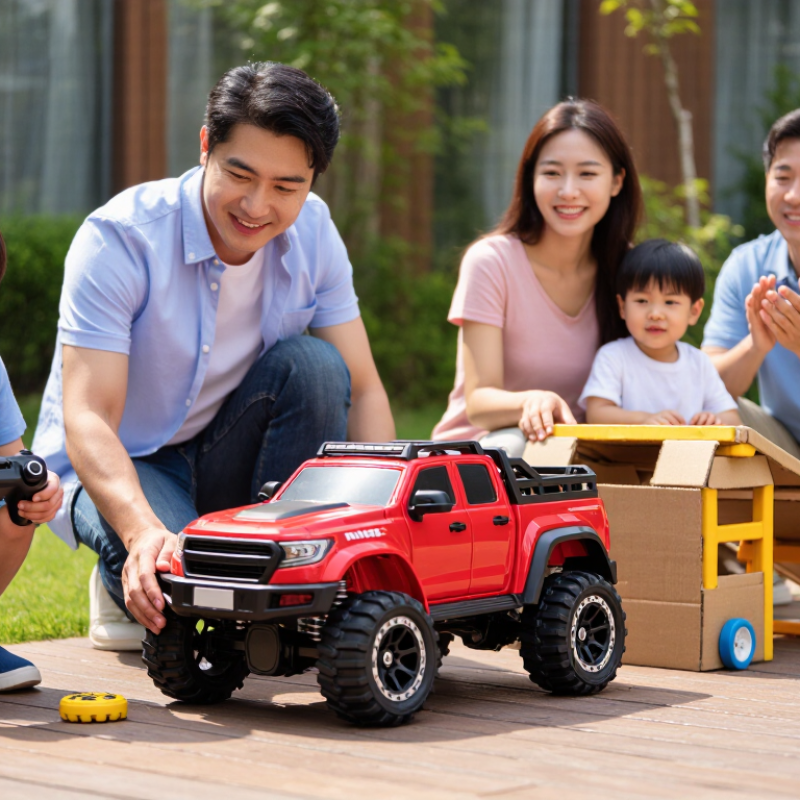
A remote control vehicle can turn an ordinary afternoon into shared play. One person steers a small truck across the patio. Another builds a ramp from cardboard. A child watches the wheels spin, then asks for another turn. These simple moments help explain how can remote control vehicles encourage family interaction: they give relatives a common activity, clear roles, and reasons to talk.

Play researcher Dr. Stuart Brown, founder of the National Institute for Play, has said, “The opposite of play is not work—it’s depression.” His words underline why playful time matters, though they do not prove that any single toy will improve every family relationship. An RC vehicle is best treated as an invitation, not a guarantee. Family members can take turns driving, design a short obstacle course, or cheer each other through a tricky turn. Small details matter. Who gets the controller? How do you handle a crash? These moments can invite patience and cooperation—or frustration, if turns feel unfair.

Keep it simple. Choose an open, safe space, agree on basic turn-taking, and let younger children help in ways suited to their age. A vehicle may stall in the grass. That is part of the experience. Not every session will feel magical, and screen-free play is not automatically meaningful. Still, shared laughter, a repaired cardboard ramp, and a fair second turn can make a modest afternoon feel memorable.
Why Do Remote Control Vehicles Boost Family Interaction?

What Remote Control Vehicles Are and How They Work

Remote-control (RC) vehicles are cars, trucks, boats, or aircraft guided by a handheld transmitter. The controller sends radio signals to a receiver inside the vehicle. That receiver directs the steering servo and speed controller. The speed controller adjusts battery power to the motor. In simple models, controls may work like on-off switches. More advanced systems allow smoother, proportional steering and acceleration. Designs vary.

Tips: Start on flat, open ground. Check the battery connection before driving. Use low speed while learning, and keep fingers clear of moving wheels. Children can take turns driving and spotting.

A small RC car makes these parts easy to observe: turn the controller, and its front wheels pivot; press the trigger, and the motor turns the wheels. A slight delay or bumpy surface can change how it responds. It is easy to blame the controller, but low batteries or loose connections may also affect performance. Sharing the controls gives family members a practical way to notice these details and learn together. Sometimes, steering still takes a few tries.

How Shared Driving Turns Create Opportunities for Family Interaction

A remote-control vehicle can turn an ordinary afternoon into a shared activity, but the real connection often comes from taking turns. One person guides the vehicle while another watches the wheels, points out a clear path, or sets up a small obstacle. Then they switch. A driveway, quiet patio, or patch of grass can become a simple course marked with chalk or fallen leaves.

Keep each turn short enough that everyone stays involved. A child might choose where the vehicle should go, while an adult helps explain how gentle steering changes its direction. Siblings can take turns as driver and course designer. Small roles matter. They give quieter family members an easy way to join the conversation without having to compete for attention.

We do not always get the rhythm right. Someone may want another turn, or the vehicle may veer into a flowerpot. Pause, reset the course, and agree on a fair rotation before starting again. That small negotiation is part of the interaction, not a distraction from it. A clear open area and relaxed pace also make play easier to manage. The best moments may be simple: a shared laugh, a careful rescue from the grass, or a child proudly handing over the controller.

Why Do Remote Control Vehicles Boost Family Interaction? — How Shared Driving Turns Create Opportunities for Family Interaction

Shared Activity How Taking Turns Encourages Interaction Family Skills Practiced What to Observe Conversation Prompt
Agreeing on a driving route Family members can suggest a route, listen to alternatives, and decide together where the vehicle will travel. Listening, negotiation, and shared decision-making Whether each person gets a chance to contribute and the group reaches a plan. “Where should the route go, and what makes that path interesting?”
Passing the controller between drivers A clear turn-taking routine gives each participant an opportunity to drive and helps make waiting more predictable. Patience, fairness, and respect for agreed rules Whether drivers hand over the controller as agreed and waiting family members stay involved. “How should we decide when it is time to switch drivers?”
Building a simple obstacle course One person can arrange safe obstacles while another tests the route; family members can then exchange roles. Cooperation, planning, and flexible problem-solving Whether participants share ideas, adjust the course, and take on different roles. “What could we change to make the course challenging but manageable?”
Giving directions from the sidelines Non-drivers can describe turns or landmarks, creating a role for family members who are not holding the controller. Clear communication, attention, and encouragement Whether directions are understandable and drivers respond constructively to suggestions. “Which words make it easiest to explain where the vehicle should go?”
Recovering from a missed turn or collision Pausing to discuss what happened gives the group a chance to troubleshoot without treating mistakes as a contest. Problem-solving, emotional regulation, and supportive feedback Whether family members calmly identify a possible change and try again. “What might we try differently on the next attempt?”
Creating a team challenge Family members can work toward a shared goal, such as completing a route together, rather than competing for a winner. Teamwork, encouragement, and shared goal-setting Whether participants help one another and recognize contributions from different roles. “What would count as success for our team?”
Reviewing the session together A brief wrap-up lets drivers and observers share what they enjoyed and suggest a new activity for next time. Reflection, appreciation, and collaborative planning Whether family members describe their experience and include others’ ideas in future plans. “Which part would you like to repeat or change next time?”

Activity note: These are practical examples of interaction opportunities, not measured research results. Choose a vehicle and play area suited to the participants, follow the product’s safety instructions, and supervise children as appropriate.

How Cooperative Challenges Build Communication and Teamwork

Why Do Remote Control Vehicles Boost Family Interaction?

How Cooperative Challenges Build Communication and Teamwork

Remote control vehicles turn a living room, driveway, or quiet park into a shared problem-solving space. Family members must discuss routes, speed, and timing before moving. One person may drive while another watches for obstacles. These changing roles encourage clear communication and patient listening.

Cooperative challenges work better than simple racing. Try guiding a vehicle through cardboard gates without touching them. Ask one family member to give directions while another controls the vehicle. Children learn to describe distance and direction. Adults practice listening without taking over. From repeated family play sessions, I have noticed that small mistakes often create the best conversations. Still, I sometimes give advice too quickly. That can reduce a child’s confidence. Teamwork needs room to develop imperfectly.

●Tips

Set a short challenge. Use cones, books, or paper cups as markers. Give each player a specific role, then switch roles after five minutes. Praise useful communication, not only successful driving. For example, say, “Your instructions were clear,” rather than, “You won.” Keep the play area safe and remove fragile objects. If frustration rises, pause and ask what the team should change. The answer may reveal more than the game itself.

How Families Can Choose Vehicles for Different Ages and Skill Levels

Choosing an RC vehicle is less about finding the fastest model and more about matching control demands to a child’s confidence. For preschoolers, try a slow, sturdy vehicle with simple steering and a large open practice area. School-age beginners can handle responsive controls and gentle turns; experienced older children may enjoy adjustable speed and rougher terrain. Follow the maker’s age guidance, and supervise young drivers. Age labels help, but they are not a perfect measure of skill.

The American Academy of Pediatrics’ 2018 clinical report, “The Power of Play,” describes play as important to children’s development and relationships. A shared driving course can make that practical: one person sets cones, another drives, then they switch. Common Sense Media’s 2021 Census found that U.S. children ages 0–8 averaged 2 hours 24 minutes of screen media daily. An outdoor, hands-on activity offers a different way to spend time together, though it will not suit every child or family.

Tips: Start on smooth ground, reduce speed, and use wide turns. Give beginners one control to practice at a time. If frustration rises, pause and let the child choose the next challenge. That may mean an easier course, not a faster vehicle.

Choosing a Remote Control Vehicle for Every Age and Skill Level

This practical guide uses suggested complexity ratings, not measured research data. Begin with easy-to-steer vehicles for younger or new drivers, then choose more responsive models as skills grow. Taking turns, setting up a course, and practicing together can make driving a shared family activity.

How Safe, Screen-Free Play Supports Regular Family Activities

A remote control vehicle can turn an ordinary afternoon into a shared activity. One person steers while another marks a route with sidewalk chalk or cushions. Children can practice gentle turns, and adults can join without needing to be expert drivers. Small moments matter: waiting for a sibling to take a turn, laughing when the vehicle bumps a soft obstacle, or moving the finish line together. No screen is needed, just a little space and time.

A regular routine makes play easier to fit into family life. A short session after school or on a weekend can become a familiar plan, rather than another complicated outing. Choose a vehicle suited to the child’s age, and check its instructions before play. Use a clear area away from roads, stairs, and breakable objects. Keep younger children close, and pause if the vehicle or its battery becomes hot or damaged. Safety takes attention.

Not every session will go smoothly. The vehicle may get stuck in thick grass, or someone may feel impatient waiting for a turn. That is part of the practice. Let children help reset the course, then talk about what might work better. Keep the challenge friendly, not competitive. A few minutes of shared tinkering can feel more connecting than a perfect run.

FAQS

What is a remote-control vehicle?

It is a car, truck, boat, or aircraft guided with a handheld transmitter. A receiver inside the vehicle reads its radio signals.

How does the controller make an RC car move?

The receiver directs the steering servo and speed controller. The speed controller adjusts battery power to the motor.

What is a simple way to see how the controls work?

Turn the controller and watch the front wheels pivot. Press the trigger and the motor turns the wheels.

Where is a good place to practice?

Try flat, open ground, such as a quiet patio or driveway. A chalk line or fallen leaves can mark a simple course.

How can family members share the activity?

One person can drive while another watches the wheels or suggests a clear path. Then they can switch roles.

How can beginners make steering easier?

Start at low speed and use gentle movements. Steering may take a few tries, especially on bumpy ground.

What should you check if the vehicle responds poorly?

Check the battery connection and look for loose connections. Low battery power can affect performance too.

What can help keep turns fair?

Agree on a rotation and keep each turn short. It may not go perfectly, so pause and reset if someone wants another turn.

What should people watch for while playing?

Keep fingers clear of moving wheels and choose an open area. A vehicle can veer off course or need careful rescuing from grass.

Conclusion

Remote control vehicles are small, battery-powered models that respond to commands from a handheld controller, allowing drivers to steer, turn, and adjust speed from a distance. Their straightforward controls make them an inviting activity for family members with different levels of experience. When relatives take turns driving, cheering one another on, and sharing the controls, play becomes a chance to connect rather than simply compete. This helps answer the question, “how can remote control vehicles encourage family interaction?” They give families a fun reason to spend time together, talk, and enjoy each other’s successes.

Families can also create simple cooperative challenges, such as guiding a vehicle through a homemade course or taking turns completing different sections. These activities encourage clear communication, patience, and teamwork. Choosing vehicles with controls and speeds suited to each participant’s age and skill level helps everyone join in comfortably. With sensible supervision and a safe, open play area, remote control vehicle activities offer a screen-free option that families can enjoy regularly, building shared memories through active play.

Sophia

Sophia

Sophia is a dedicated marketing professional with an exceptional depth of knowledge about her company's products and services. With a keen understanding of market trends and customer needs, she crafts insightful blog posts that not only inform but also engage readers, enriching the company’s online......