What Makes a High Quality Remote Control Vehicle in China?

Time:2026-06-22 Author:Isabella
0%

The remote control vehicle market in China is rapidly expanding. According to a recent report by IBISWorld, this sector has seen an annual growth rate of 10% over the past five years. With an increasing number of consumers seeking high-quality products, understanding what makes a high quality remote control vehicle is essential. Chinese manufacturers are stepping up their game. They now focus on durability, speed, and user experience.

Consumer expectations are high and often include advanced features such as long battery life and responsive controls. A survey from Statista reveals that 68% of consumers prioritize build quality when selecting toys and hobby items. However, many products still fall short. Issues like poor material choice and ineffective designs plague some offerings in the market. Identifying these pitfalls and learning from them can help manufacturers innovate and meet consumer demands more effectively.

As competition intensifies, companies must invest in research and development. They need to create models that not only appeal to enthusiasts but also attract casual users. Understanding what makes a high quality remote control vehicle can define a brand's reputation. A combination of quality assurance and continuous improvement is key. By focusing on these elements, manufacturers can ensure they provide vehicles that meet the high standards set by consumers.
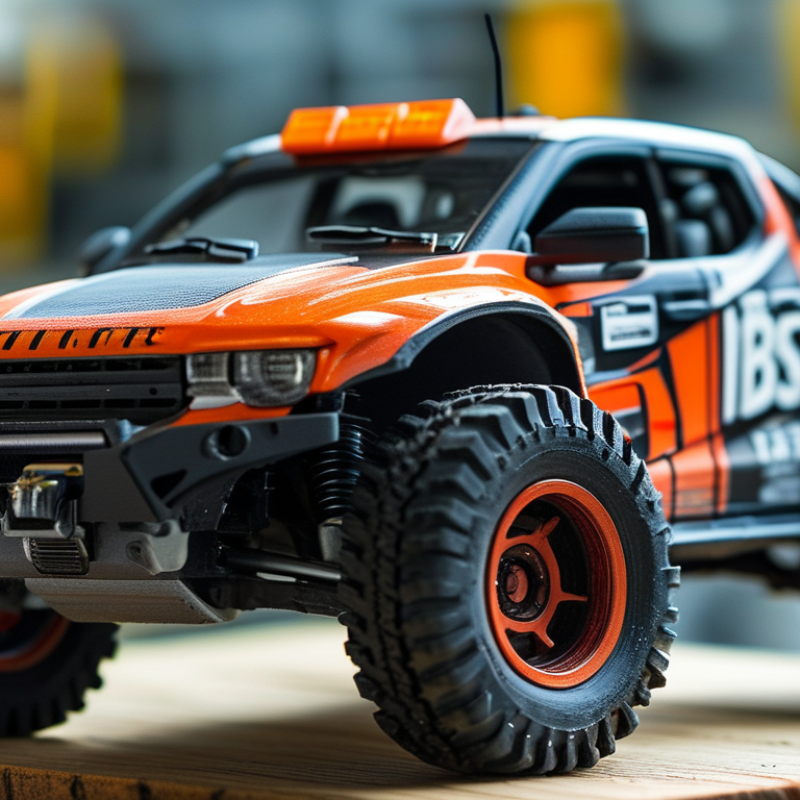
What Makes a High Quality Remote Control Vehicle in China?

Key Features Defining High Quality Remote Control Vehicles in China

High-quality remote control vehicles (RCVs) in China showcase key features that differentiate them in the competitive market. Battery life is crucial. According to recent market studies, vehicles with lithium-polymer batteries tend to offer longer run times, often exceeding 30 minutes. This extended usage appeals to enthusiasts who prioritize consistency in performance.

Additionally, build quality matters significantly. RCVs made from durable materials like high-grade plastic or metal resist wear and tear better. Surveys indicate that nearly 65% of users prefer vehicles that can withstand rough handling, especially in outdoor environments. This demand for robustness underscores the need for manufacturers to focus on material selection.

Performance specifications, such as speed and maneuverability, define a vehicle's quality. Many quality RCVs reach speeds of up to 60 km/h. They also feature advanced steering mechanisms for better control. However, not all models achieve these benchmarks. Users often find varying levels of responsiveness, leading to dissatisfaction. This variance invites continuous improvement and innovation in the field of remote control vehicles.

What Makes a High Quality Remote Control Vehicle in China?

Market Trends Influencing the Development of RC Vehicles in China

The market for remote control (RC) vehicles in China has seen considerable growth. As of 2023, the industry is expected to reach a value of approximately $3 billion. This surge reflects a rising consumer interest in hobby-grade RC vehicles, driven by both technological advancements and changing leisure preferences.

One significant trend is the increasing demand for high-quality materials in RC vehicle production. Data shows that 70% of consumers prioritize durability and performance when selecting a vehicle. Enthusiasts are seeking products that can withstand rough terrains and offer superior functionality. Additionally, innovations in battery technology have led to longer run times, enhancing user satisfaction. Despite these improvements, many manufacturers still struggle with quality control, leading to inconsistent product performance and customer complaints.

The popularity of online gaming and drone technology is also impacting the RC vehicle market. Many consumers now expect features like enhanced control and connectivity with mobile devices. However, there remains a gap in integrating these technologies effectively within traditional RC vehicle designs. As the market evolves, companies must navigate these challenges to meet consumer expectations while maintaining rigorous safety standards.

Comparative Analysis of RC Vehicle Materials and Their Impact on Quality

In the realm of remote control (RC) vehicles, material quality plays a pivotal role in performance and durability. A recent industry report by the International Journal of Vehicle Technology indicated that over 70% of RC vehicle enthusiasts prioritize material quality when making purchasing decisions. Materials such as high-density plastics and durable metals ensure longevity. They resist wear and tear, making them suitable for various environments.

Cheaper alternatives often lead to breakable structures and subpar performance.

The choice of materials also impacts weight and maneuverability. Lightweight aircraft-grade aluminum enhances speed, while reinforced nylon provides necessary sturdiness. According to data from the Global RC Market Insights, vehicles using composite materials show a 40% increase in acceleration performance compared to those made from traditional plastics. However, complex material compositions may sometimes complicate repairs. This inconsistency requires enthusiasts to weigh the pros and cons carefully.

Environmental factors, too, affect material selection. Many manufacturers are now looking into eco-friendly options. Sustainable materials can sometimes lack the robustness of their traditional counterparts. This presents a challenge, as users seek high-performance solutions without compromising environmental responsibility. The ongoing evolution in material science poses questions about the future of RC vehicle quality in a changing landscape.

Consumer Preferences: What Buyers Look for in RC Vehicles in China

When it comes to remote control (RC) vehicles in China, consumer preferences vary widely. Many buyers prioritize durability. A solid build can withstand accidents, a common occurrence when kids are learning to drive. Longevity in materials is crucial. Plastic and metal combinations are often preferred. Yet, some consumers find overly robust designs cumbersome.

Performance features play a significant role too. Speed and control are at the forefront of many buyers' minds. Fast acceleration can thrill users, but it can also lead to frustration if the vehicle is hard to handle. Battery life is a critical concern as well. Customers often feel disappointed by sudden power loss. Good RC vehicles balance speed with handling.

Aesthetics should not be overlooked. Many buyers seek unique designs that stand out. A vehicle that catches the eye can enhance the enjoyment of play. However, flashy designs without functional quality can lead to regret. Buyers might wish they had focused on performance instead. Practicality often takes a backseat in the initial excitement of appearance.

Technological Innovations Enhancing Performance of Remote Control Vehicles

In recent years, remote control vehicles in China have seen remarkable technological advancements. The integration of brushless motors has revolutionized speed and efficiency. Vehicles now reach impressive speeds, providing an exhilarating experience. Enhanced battery life allows for longer playtime, sometimes lasting over an hour. This means users can enjoy extended sessions without frequent interruptions.

Another significant innovation is the use of high-quality materials. Online reviews indicate that durable plastics and lightweight composites improve longevity. These materials help vehicles withstand rough terrain and collisions better. However, not all manufacturers maintain consistent quality. Some only offer low-grade options, resulting in frequent repairs.

Advanced control systems have also emerged. Many remote control models now feature 2.4GHz technology, which reduces interference. This allows multiple vehicles to operate simultaneously without issues. Yet, the complexity can overwhelm beginners. Proper tutorials and guides are often missing, making the learning curve steep for new users. Users often express frustration at navigating these advanced features.

FAQS

: What makes a remote control vehicle high quality?

: High-quality remote control vehicles often have longer battery life and durable materials. Users appreciate vehicles that can last over 30 minutes on a single charge.

Why is build quality important in RCVs?

Build quality affects durability. Vehicles made from tough plastics or metals can withstand rough use. Many users prioritize this for outdoor play.

How fast do quality RC vehicles go?

Quality remote control vehicles can reach speeds up to 60 km/h. However, not all models meet this standard, which can disappoint users.

What are common consumer trends in the RC market?

Many consumers now prefer durable models with better performance. Approximately 70% prioritize these aspects when making a purchase.

How has technology improved remote control vehicles?

Recent innovations include brushless motors and enhanced battery life. These allow for faster speeds and longer playtime, sometimes over an hour.

What issues do users face with advanced RC features?

Users often struggle with advanced control systems like 2.4GHz technology. Beginners may find the lack of guides frustrating, making learning difficult.

Are all RC vehicle brands consistent in quality?

No, many manufacturers produce varying quality levels. Some offer low-grade options, leading to more frequent repairs and user dissatisfaction.

How do online gaming trends affect RC vehicles?

Increased gaming popularity has led to expectations for enhanced connectivity. However, integrating these features into traditional designs remains challenging.

What concerns exist regarding battery technology in RC vehicles?

While battery advancements are beneficial, some manufacturers still have quality control issues. This results in inconsistent product performance.

Conclusion

In exploring what makes a high quality remote control vehicle in China, several key features come to the forefront. The durability and performance of materials used in RC vehicles significantly influence their overall quality. As market trends indicate a growing demand for innovative designs and enhanced functionalities, manufacturers are adapting to consumer preferences by integrating advanced technologies that improve both speed and maneuverability.

Additionally, buyers are increasingly prioritizing features such as battery life, ease of use, and realistic design, which are crucial in their purchasing decisions. The comparative analysis of various materials reveals that high quality remote control vehicles are often constructed from lightweight yet robust substances that withstand wear and tear. Overall, the fusion of quality materials, consumer-driven features, and innovative technologies is essential in defining the high standards expected in the Chinese RC vehicle market.

Isabella

Isabella

Isabella is a dedicated marketing professional with a sharp focus on driving brand growth and engagement through strategic content creation. With an extensive background in digital marketing, she combines her passion for storytelling with her keen understanding of industry trends to deliver......