HSED Toys
When it comes to buying remote control vehicles, parents often face many choices. With countless options available, one may wonder what should parents look for when buying remote control vehicles. The right choice can enhance a child’s play experience, promoting both creativity and motor skills.
Key factors often include durability, ease of use, and battery life. A sturdy vehicle can withstand rough play. But, finding one that is user-friendly is equally important for younger kids. Many parents overlook these details, which can lead to frustration for both kids and adults.
Additionally, considering speed and maneuverability is essential. Some kids may prefer fast cars, while others enjoy off-road adventures. It’s beneficial for parents to discuss preferences with their children. This conversation can spark excitement and ensure the right match. Overall, thoughtful choices will lead to joyful moments and lasting memories.
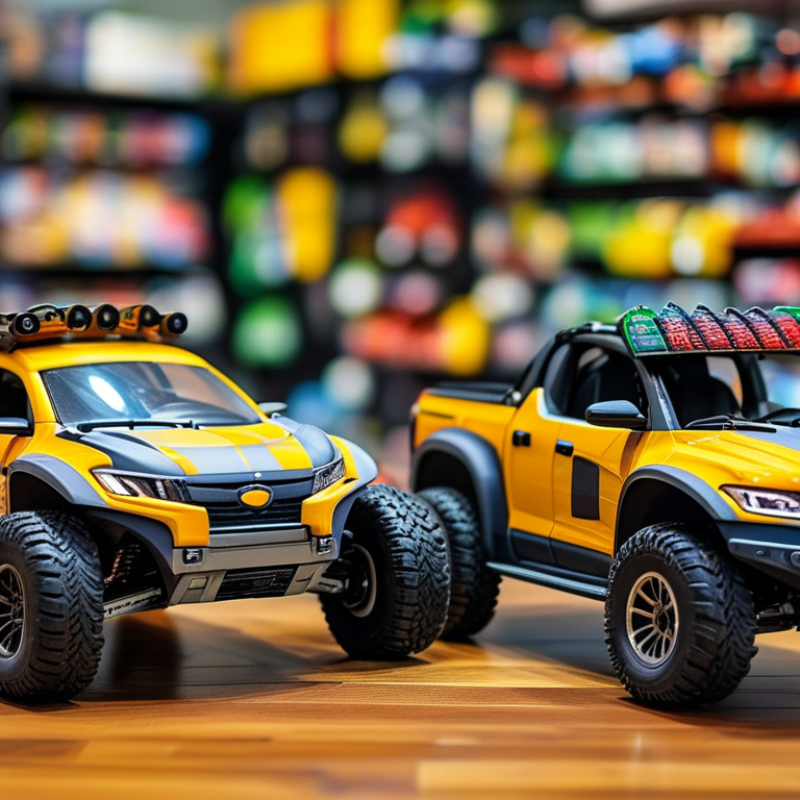
Remote control vehicles (RCVs) come in various types and features, catering to different preferences and skill levels. Understanding these distinctions is crucial for parents considering a purchase. According to a report by the International Toy Industry Association, RCV sales accounted for approximately 30% of the total toy market in 2022. This indicates their popularity among children and families.
The main types of remote control vehicles include cars, trucks, boats, drones, and helicopters. Each type presents unique characteristics and challenges. For instance, RCV cars are generally beginner-friendly, while drones require more skill for operation. Many parents might overlook the importance of durability. Waterproof features in boats or crash-resistant designs in cars can save money in the long run.
However, not all vehicles are suitable for all ages. Children under eight might struggle with complex controls. The American Academy of Pediatrics emphasizes knowing your child's capabilities. Parents should also consider battery life. A vehicle with a short battery duration can lead to frustration. Overall, it’s important to reflect on both the emotional and practical aspects of choosing the right remote control vehicle.
When selecting remote control vehicles for kids, safety is paramount. Look for models with non-toxic materials. Check for age-appropriate designs. Avoid sharp edges that could cause injuries. The vehicle’s size matters; a smaller car may pose a choking hazard. Always supervise younger children during play. This can prevent accidents and ensure fun.
Functionality is another key aspect. Some vehicles have multiple speeds. Others offer different control ranges. Think about your child's experience level. A novice might struggle with a fast model. A beginner-friendly option is ideal. Durability also plays a crucial role. Kids are tough on toys. Choose a vehicle that can withstand rough handling. Investigate the warranty; it indicates the manufacturer's confidence in their product.
Consider where and how your child will play. Outdoor vehicles need robust features. All-terrain capabilities are a plus. Think about battery life too. A vehicle that runs out of power quickly can be frustrating. Look for models with easily replaceable batteries. These will make play easier and extend enjoyment. Kids learn through play, and these vehicles can encourage exploration and creativity.
When buying remote control vehicles, safety should be a primary concern. Understanding the age recommendations for each vehicle type can help prevent accidents. Many models are designed for specific age groups. Always check these guidelines before making a purchase. A vehicle meant for older kids could be hazardous for younger ones.
Moreover, consider the materials used in the vehicle's construction. Look for options that are durable yet lightweight. This can help minimize injury risks during use. If the vehicle has sharp edges or fragile parts, those features may pose safety concerns.
Pay attention to wireless technology, too. Ensure that the remote's signal does not interfere with other devices, which could cause unwanted malfunctions.
It’s vital to supervise playtime, especially for younger children.
Kids might not recognize potential hazards while using remote control vehicles. Be proactive in teaching them about safe play practices. Non-toxic materials are also important for children’s safety. Always do your research to ensure quality and safety standards are met. This extra effort can lead to a much safer and more enjoyable experience for your child.
Maintaining remote control vehicles is essential for ensuring their longevity. Regular cleaning is a vital step. Dust, dirt, and moisture can quickly damage internal components. After each use, wipe down the body and inspect the wheels. A compressed air canister works wonders for removing debris from hard-to-reach places. Neglecting this task can lead to performance issues.
Battery care is just as crucial. If ejected incorrectly, batteries can corrode or leak. Always store batteries in a cool, dry place when not in use. Regularly check for any signs of wear. Overcharging can shorten battery life dramatically, so monitor charging times closely. It's a simple habit that can greatly enhance your vehicle's performance.
Finally, consider the environment in which you use the vehicle. Rough terrains and wet conditions can take their toll. After driving in challenging conditions, give your vehicle special attention. Inspect for any potential damage. Creating a checklist can help ensure that no detail is overlooked. Keeping your remote control vehicle in top shape requires effort, but the joy it brings is worth it.
Choosing the right remote control vehicle for kids can be a delightful yet challenging task. Many brands today offer various models, each with unique features. Some vehicles excel in speed and maneuverability. Others shine in durability and ease of use. This diversity can make the decision process overwhelming. It’s essential to consider what appeals most to your child.
Popular models often focus on specific age groups. Younger children benefit from simpler designs. These models help develop motor skills without overwhelming them. For older kids, more advanced options are available. They usually come with features like rechargeable batteries or customizable components. However, these advanced features also might lead to frustration if not adequately supervised.
Parents should also observe their children’s interests. Is your child fascinated by racing? Or do they enjoy off-road adventures? Selecting a vehicle that aligns with their interests can enhance their playtime experience. However, it's important to recognize that not every choice will be a hit. Some models may break quickly or simply fail to engage your child. Reflecting on these experiences is vital for making better decisions in the future. Parents can ultimately guide their children in developing patience and problem-solving skills through thoughtful play.
| Vehicle Type | Age Recommendation | Scale | Battery Type | Average Price |
|---|---|---|---|---|
| Car | 6+ | 1:10 | Rechargeable Li-ion | $50 - $150 |
| Truck | 8+ | 1:12 | AA Batteries | $60 - $200 |
| Boat | 10+ | 1:15 | Rechargeable Li-po | $70 - $250 |
| Helicopter | 12+ | 1:20 | Rechargeable Li-po | $100 - $300 |
| Drone | 14+ | Varied | Rechargeable Li-po | $150 - $500 |
: Choose models made with non-toxic materials. Make sure there are no sharp edges that could cause injuries.
Consider the child's age. Smaller cars can be choking hazards for younger kids.
Look for vehicles with multiple speeds and appropriate control ranges for skill levels. Choose beginner-friendly options for novices.
Kids can be tough on toys. A durable vehicle withstands rough handling and lasts longer.
Regular cleaning helps prevent dirt damage. Inspect wheels and body after each use to keep it functioning well.
Store batteries correctly, check for wear, and avoid overcharging. This ensures better performance over time.
Rough terrains can damage vehicles. After play in challenging conditions, inspect the vehicle for any potential damage.
Overcharging can shorten battery life. Keeping track of charging schedules helps maintain vehicle performance.
Include cleaning, battery checks, and inspections for damage after play. A checklist helps ensure comprehensive care.
Supervision prevents accidents and ensures a fun and safe experience during play.
In the quest to buy remote control vehicles for kids, it's essential for parents to understand the various types and features available. They should consider factors such as the vehicle's durability, ease of use, and age appropriateness. Key considerations when choosing remote control vehicles for kids include understanding the child’s interests, skill level, and the purpose of the toy—whether for indoor or outdoor play.
Safety is paramount, and parents should prioritize models with safety features and ensure that toys are made of non-toxic materials. Additionally, maintenance and care are critical for ensuring the longevity of these toys. Regular cleaning and battery checks can enhance performance and prolong their lifespan. Ultimately, parents often wonder what should parents look for when buying remote control vehicles, and being informed on these essentials can help them make the best choice for their children’s fun and safety.