7 Tips How RC Vehicles Build Technical Interest?

Time:2026-09-17 Author:Oliver
0%

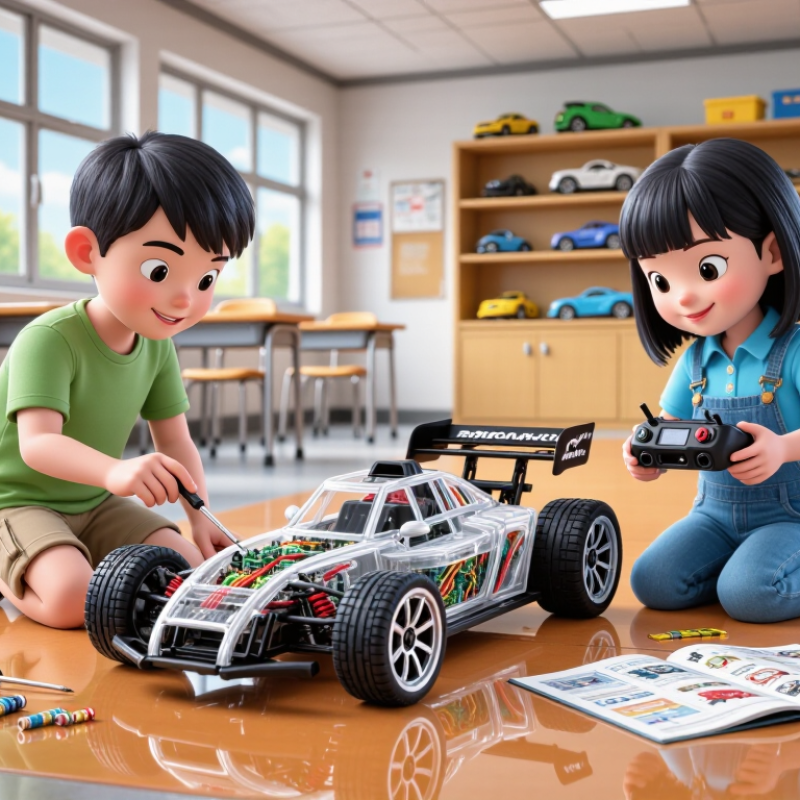
Remote-controlled vehicles turn technical learning into something visible, movable, and personally meaningful. A child can steer a small car across a tiled floor, then ask why it drifts left. That question can lead toward electronics, mechanics, coding, design, and problem-solving. It also explains why many parents and educators ask, “how do remote control vehicles help build technical interest?”

Educational robotics expert Dr. Marina Umaschi Bers has said, “Children are natural engineers.” Her observation fits RC projects well. Learners test batteries, adjust wheel alignment, connect controllers, and observe immediate results. They experience cause and effect with their hands. A failed turn becomes useful information, not merely a mistake. The activity can also encourage teamwork when one learner drives and another checks the wiring.

This outline explores seven practical tips for building technical interest through RC vehicles. It considers age-appropriate challenges, safe experimentation, basic maintenance, and gradual movement toward programming. Small successes matter. A working light or smoother turn can create genuine confidence. However, RC vehicles are not a magic solution. Some learners may lose interest when repairs become repetitive or instructions feel too complex. Adults should notice those moments and change the challenge, rather than forcing progress.

The strongest learning often comes from imperfect attempts. A loose connector may stop the vehicle unexpectedly. That frustration can become a lesson in testing methods. With patient guidance, play can develop into technical curiosity, and curiosity can become sustained interest.
7 Tips How RC Vehicles Build Technical Interest?

Understanding How RC Vehicles Spark Technical Curiosity

Remote-controlled vehicles can turn technical curiosity into hands-on learning. Their small size makes complex systems easier to observe. A steering command becomes visible movement. A motor converts electrical energy into wheel rotation. I have found that watching these changes encourages better questions than reading diagrams alone.

Why does the vehicle slow on carpet? Why does one wheel lose grip? Curiosity starts with a simple test.

Careful observation builds useful habits. Compare the vehicle on tile, grass, and packed soil. Notice how surface texture changes traction. Adjust one setting at a time, such as steering sensitivity or suspension stiffness. Check gears, axles, and fasteners after each session.

Measure battery voltage with suitable equipment and follow basic electrical safety. Keep short notes about speed, handling, and unusual sounds. Small records can reveal patterns that memory misses.

The vehicle also introduces practical problem-solving. If it turns unevenly, inspect alignment before replacing parts. If it shakes, examine wheel balance and loose connections. Ask an experienced technician when a fault remains unclear.

Reliable advice should come from manuals, training resources, or verified engineering guidance. I still make rushed adjustments sometimes, and they can create new problems. That mistake is valuable, if I slow down and test the change properly.

The best questions often appear after a failed experiment.

Exploring the Core Mechanics and Electronics of RC Vehicles

RC vehicles turn abstract engineering into visible, hands-on experiments. A motor spins, gears transfer torque, and suspension responds to uneven ground. The U.S. Bureau of Labor Statistics projects 9% employment growth for electrical and electronics engineers from 2023 to 2033. Small vehicles can introduce those skills early.

Tip 1: Study the drivetrain. Watch how a differential lets wheels rotate at different speeds. Tip 2: Trace power carefully. A battery feeds the speed controller, motor, and steering servo. Tip 3: Measure before guessing. A multimeter can reveal voltage drops or loose connections. My first gear mesh was too tight. The motor became hot quickly. That mistake taught me more than a perfect build.

Tip 4: Change one variable at a time. Adjust tire grip, gear ratio, or suspension preload separately. Tip 5: Read circuit diagrams. Even a simple receiver teaches signals, ground, and power paths. Tip 6: Record every test. Note surface type, battery condition, speed, and temperature. The World Economic Forum’s Future of Jobs Report 2023 identifies analytical thinking as a leading workplace skill. RC testing makes that habit physical. Tip 7: Repair before replacing. A cracked mount or worn connector often has a clear cause. I still overlook small details sometimes. That is useful, because troubleshooting requires patience, evidence, and honest reflection.

7 Tips: How RC Vehicles Build Technical Interest

Exploring the Core Mechanics and Electronics of RC Vehicles

Chart insight: Battery configuration is a practical introduction to electrical engineering. The values show nominal voltage for commonly used RC battery arrangements. A LiPo cell is nominally rated at 3.7 V, while a NiMH cell is typically rated at 1.2 V. Actual voltage changes during charging and use.

Seven ways RC vehicles develop technical interest: study voltage and current, compare gear ratios, tune suspension geometry, measure motor speed, learn radio-control signals, improve weight distribution, and diagnose mechanical or electrical faults.

Building Skills Through Assembly, Tuning, and Troubleshooting

7 Tips: How RC Vehicles Build Technical Interest

Building an RC vehicle turns abstract engineering into something visible, noisy, and slightly messy. The World Economic Forum’s Future of Jobs Report 2023 lists analytical thinking as a leading workplace skill. It also identifies technological literacy as a fast-growing priority. An RC project supports both skills through hands-on practice.

Tip 1: Read the assembly diagram before touching the screws.

Tip 2: Sort parts by size, then check each connection twice. A loose steering link can change the vehicle’s path within seconds.

Tip 3: Measure gear mesh and wheel alignment. Small errors create heat, vibration, and wasted battery power.

Tip 4: Keep a tuning log. Record tire pressure, suspension position, surface type, and running time. My first notes were incomplete, which made one problem harder to repeat.

Tip 5: Troubleshoot one variable at a time. Check power, wiring, signal, and mechanical resistance in that order.

Tip 6: Use a simple multimeter for voltage checks, while following safe handling instructions.

Tip 7: Explain every failed test in plain language. Failure is useful evidence, not instant proof of a bad component.

The U.S. Bureau of Labor Statistics projects 10% growth for mechanical engineering employment from 2023 to 2033. Careful assembly, measurement, and fault-finding mirror those professional habits. The vehicle may still veer left. That is the lesson.

Using RC Projects to Develop Engineering and Problem-Solving Abilities

7 Tips How RC Vehicles Build Technical Interest?

Using RC Projects to Develop Engineering and Problem-Solving Abilities

Remote-controlled vehicles turn engineering theory into something students can see, test, and improve. In workshop sessions, a loose gear or weak connection creates an immediate lesson. Tip 1: Begin with a simple vehicle frame. Students can measure wheel spacing, compare materials, and observe how weight changes movement. Tip 2: Ask learners to draw a basic circuit before connecting power. This small habit reduces careless mistakes and improves technical communication. Tip 3: Let them predict battery life, then compare their estimate with real results. The difference often starts a useful discussion.

Tip 4: Use controlled tests on the same surface. Students can record speed, turning distance, and stopping time in a shared table. Tip 5: Change one part at a time. Otherwise, they may not know which adjustment caused improvement. Tip 6: Encourage safe troubleshooting with power disconnected. Inspect wires, gears, and switches before replacing anything. This reflects professional maintenance practice and protects both equipment and learners.

Tip 7: Require a short design review after each project. Students should explain one successful choice and one weak decision. My first design often looked efficient but overheated during repeated turns. That failure mattered. It showed that performance depends on balance, friction, heat, and control, not appearance alone. Teachers can support reliable learning by using checklists, clear measurements, and age-appropriate safety guidance. The vehicle moves. The thinking grows.

Advancing Technical Interest Through Customization and Competition

7 Tips How RC Vehicles Build Technical Interest?

Advancing Technical Interest Through Customization and Competition

Building an RC vehicle turns abstract engineering into something you can touch, test, and improve. I began with basic steering adjustments, then learned how gear ratios changed acceleration and battery life. Small changes matter. A heavier body can make cornering slower, while softer tires may improve grip on loose ground. Keeping a simple notebook helps track each modification, test surface, weather, and result. This habit supports reliable decisions instead of guesses.

Customization also encourages practical technical learning. Builders can compare suspension angles, motor temperatures, shock settings, and weight distribution. A ruler, thermometer, and basic multimeter often reveal more than visual inspection. Safe battery handling and regular wire checks remain essential during every session. My early setups were not balanced. The vehicle looked impressive but performed poorly. That mistake taught me to change one component at a time.

Competition adds purpose to experimentation. A timed course can expose weak braking, unstable steering, or poor throttle control. Friendly races also develop planning, measurement, and problem-solving skills without requiring expensive equipment. Before competing, participants should inspect the course, secure loose parts, and follow local event rules. Results are useful, but detailed observations matter more. One missed turn may reveal a design problem, or simply an impatient driver. That distinction deserves honest review.

FAQS

How can RC vehicles develop technical curiosity?

They make hidden systems visible. A steering command becomes wheel movement, creating questions about motors, gears, and traction. Curiosity starts small.

What surfaces are useful for testing an RC vehicle?

Try tile, grass, and packed soil. Compare speed, grip, turning, and stopping distance. Surface texture changes traction noticeably.

Why should learners change only one setting at a time?

One change makes results easier to understand. Test steering sensitivity or suspension stiffness separately. Otherwise, the cause of improvement may remain unclear.

What should students record during vehicle tests?

Record speed, handling, stopping time, battery performance, and unusual sounds. Short notes reveal patterns that memory often misses.

How can an RC project teach electrical fundamentals?

Students can draw a simple circuit before connecting power. They can observe how electrical energy becomes motor rotation. Keep power disconnected during inspections.

What should someone inspect when a vehicle turns unevenly?

Check wheel alignment, loose fasteners, axles, and steering connections. Inspect these parts before replacing components. Rushed repairs can create new faults.

How can students troubleshoot safely?

Disconnect power before checking wires, gears, or switches. Use suitable measuring equipment for battery voltage. Follow clear, age-appropriate safety guidance.

What can a failed design experiment teach?

A vehicle may look efficient but overheat during repeated turns. This shows that performance depends on friction, heat, balance, and control. Appearance alone can mislead.

Why are design reviews valuable after each project?

Students explain one successful choice and one weak decision. This encourages honest reflection and clearer technical communication. Mistakes can become useful evidence.

Conclusion

This article explains how do remote control vehicles help build technical interest by turning abstract concepts into hands-on experiences. Learners can explore how motors, batteries, gears, suspension systems, controllers, and electronic circuits work together to create movement and control. Assembling a vehicle, adjusting its settings, and diagnosing performance problems encourages curiosity, patience, and careful observation. Each challenge offers a practical lesson in cause and effect, helping beginners understand basic mechanics and electronics in an engaging way.

RC projects also support the development of broader engineering and problem-solving abilities. Through tuning and testing, users learn to measure results, identify weaknesses, and improve designs step by step. Customizing vehicles can introduce ideas such as balance, efficiency, materials, and design planning, while friendly competitions provide goals that motivate continued learning. Overall, remote control vehicles offer an enjoyable path for building confidence, technical awareness, creativity, and a lasting interest in engineering.

Oliver

Oliver

Oliver is a seasoned marketing professional with a wealth of expertise in driving brand awareness and engagement. With a deep understanding of our company's product offerings, he consistently delivers high-quality content that enriches our professional blog. His insights not only shed light on......