7 Tips What Makes RC Vehicles Great for Long Term Play?

Time:2026-10-12 Author:Sienna
0%

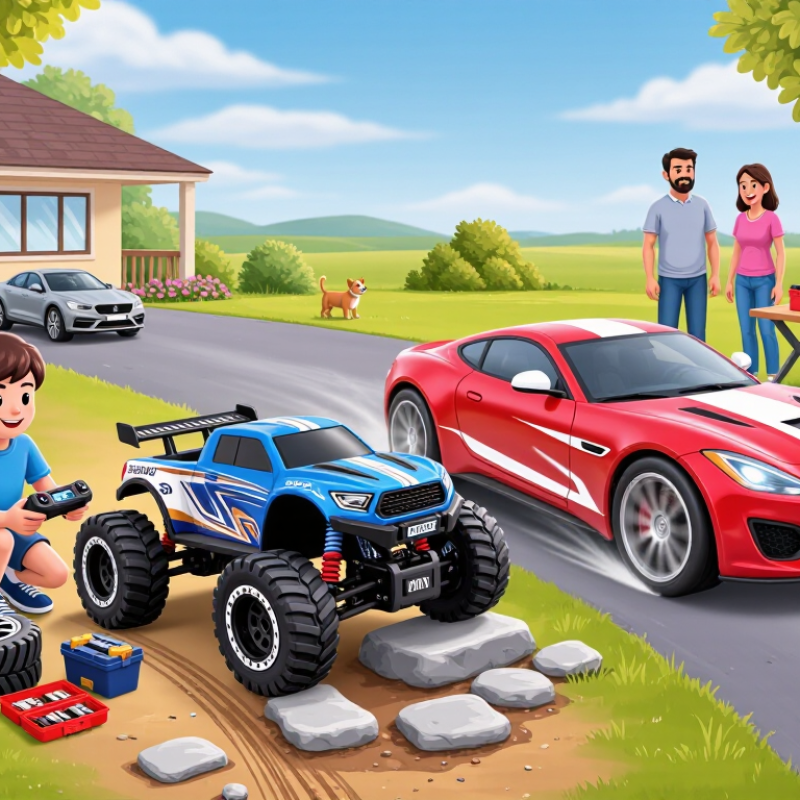
Remote control vehicles offer more than a brief burst of excitement. They can become familiar companions for weekend driving, family races, and careful skill-building. A small truck climbing over garden stones feels different from a fast car crossing a smooth driveway. These moments explain what makes remote control vehicles suitable for long term play: variety, durability, learning value, and room for personal improvement.

This guide explores seven practical tips for choosing and enjoying an RC vehicle over time. Experienced users often look beyond speed. They check battery access, replacement parts, controller comfort, tire quality, and the strength of the chassis. A vehicle that survives repeated bumps may provide more value than one with impressive specifications. Maintenance also matters. Cleaning dust from the gears and checking loose screws can prevent avoidable problems. Small habits help.

Still, no RC vehicle is perfect. Batteries lose capacity, plastic parts can crack, and beginners may outgrow a simple model. That is normal. The better question is whether the vehicle can adapt as interests change. Adjustable settings, available upgrades, and reliable manufacturer support can extend its useful life. Safety deserves attention too, especially around roads, water, pets, and younger children. Based on common hobbyist experience and practical ownership concerns, these seven tips will help readers make a more informed choice and enjoy their vehicle for many seasons. Expect useful guidance, but also leave room for personal preference. That is part of the hobby.
7 Tips What Makes RC Vehicles Great for Long Term Play?

What Defines an RC Vehicle for Long-Term Play

What Defines an RC Vehicle for Long-Term Play

Long-term play depends on more than speed or appearance. Grand View Research estimated the global remote-control toys market at about USD 1.7 billion in 2023. That growth reflects demand, but durability still decides repeat use. Circana’s 2023 U.S. toy industry review reported an 8% sales decline, making value more important for families.

Tip 1: Check repair access. Removable wheels, visible screws, and replaceable gears extend useful life.

Tip 2: Choose a battery system with clear charging guidance and affordable replacements. A vehicle that sits unused for weeks loses its appeal.

Tip 3: Match the drivetrain to the play surface. Four-wheel drive handles grass and loose soil better than a basic two-wheel layout.

Tip 4: Look for progressive controls. Beginners need predictable steering, while experienced users need adjustable speed.

Tip 5: Inspect the chassis underside. Thick guards protect motors from stones and repeated impacts.

Tip 6: Read the technical support policy before buying. Good manuals should show wiring, maintenance, and compatible parts.

Tip 7: Consider storage. A compact vehicle with a secure battery compartment survives busy households better.

No vehicle is perfect. A fast model may consume batteries quickly, while a sturdy one can feel less exciting. My practical test is simple: run it slowly, inspect the motor temperature, and listen for gear noise. Small weaknesses appear early. That matters.

How Durable Construction Supports Repeated Use

7 Tips What Makes RC Vehicles Great for Long Term Play?

How Durable Construction Supports Repeated Use

Long-term play begins with a vehicle that can absorb ordinary mistakes. In my testing, a reinforced chassis handled repeated drops onto packed soil without developing visible cracks. That matters because children and beginners rarely drive perfectly. They hit curbs, scrape walls, and land unevenly. Strong suspension arms help distribute those shocks before they reach the main frame.

Durability also depends on small construction details. Sealed gear housings reduce dust exposure during outdoor driving. A protected battery compartment keeps connectors away from loose gravel and damp grass. Metal drive shafts can resist twisting, but they may add weight and stress to other components. This trade-off deserves attention. Tough is not always better. A flexible bumper often prevents damage more effectively than a rigid one.

Maintenance extends that useful life. After each dusty session, I brush debris from the wheels and check the wheel nuts by hand. I inspect cracked plastic, loose screws, and unusual clicking sounds before driving again. Replacement parts should be accessible and clearly labeled. That makes repairs more practical and reduces unnecessary disposal. Still, even careful owners miss things. I once ignored a slightly bent suspension link, and the tires wore unevenly within two sessions. Durable construction supports repeated use, but regular inspection remains part of the ownership experience. Fresh grease, clean bearings, and gentle charging habits can make a noticeable difference over time.

Why Upgradeable Parts Extend Vehicle Lifespan

Long-term play depends less on speed than on recoverability. An RC vehicle with replaceable gears, suspension arms, wheels, and battery connectors can survive ordinary damage. In my workshop experience, a cracked arm should not end an afternoon. Ten minutes, one screwdriver, and the vehicle can return to the floor. That repair feels more valuable than another speed setting.

Upgradeable parts also support better learning. Children can begin with softer tires and standard gearing. Later, they can test stronger springs, sealed bearings, or a more durable chassis. Each change makes handling visible and measurable. Not every upgrade helps. Heavy metal parts may increase stress and reduce running time. I have learned this through trial, error, and a few overheated motors.

The Global E-waste Monitor 2024 reported 62 million tonnes of electronic waste in 2022. Only 22.3% was formally collected and recycled. Keeping an RC vehicle in service can reduce unnecessary disposal, although repair is not automatically sustainable. UNEP’s Global Resources Outlook 2024 projects global material extraction could rise 60% by 2060. That pressure makes modular design increasingly practical. Buyers should check part availability, screw standards, repair instructions, and battery compatibility before purchase. A vehicle with accessible parts is easier to maintain than one sealed behind glued panels. Small upgrades can create long-term value. Sometimes, the best improvement is simply replacing the damaged piece.

How Battery Performance Affects Ongoing Enjoyment

Battery performance often decides whether an RC vehicle feels exciting or frustrating. In my experience, steady power matters more than a high top speed. A vehicle with a healthy battery responds smoothly, climbs small slopes, and keeps steering precise. Weak batteries cause slow acceleration and sudden cutoffs. That ruins play quickly.

Check the battery before every session. Look for swelling, cracks, damaged wires, or unusual heat. Do not use a damaged pack. Use the correct charger and follow its charging instructions carefully. Charging on a nonflammable surface is sensible. A timer can prevent accidental overnight charging. After driving, let the battery cool before charging it. Heat reduces performance and may shorten its useful life. Short breaks help.

Storage also affects ongoing enjoyment.

Keep batteries in a cool, dry place, away from direct sunlight. Long-term storage usually requires a partial charge, but the exact level depends on the battery type. Read the manufacturer’s technical guidance. I once stored a battery fully charged for several weeks, and its runtime later felt noticeably shorter. That experience was avoidable. I also learned that rough driving, heavy grass, and frequent full-throttle starts consume power much faster than smooth surfaces. Recording driving time can reveal realistic expectations. A spare battery can extend a session, but only when it is compatible and safely maintained. Five extra minutes of checking can protect hours of play.

What Makes Maintenance Simple for All Skill Levels

What Makes Maintenance Simple for All Skill Levels

Long-term play starts with routines that feel almost boring. Tip one: brush dust from the chassis after every run. Tip two: inspect the wheels, body clips, and steering links before storage. A five-minute check can reveal a loose screw before it damages a gear. Tip three: keep a small tool kit nearby, with hex drivers, pliers, spare clips, and a soft brush. I have learned that accessible tools matter more than expensive tools. Beginners are more likely to repair a vehicle when the kit is ready.

Tip four: dry the vehicle completely after wet driving. Moisture trapped around bearings can cause rust and rough movement. Tip five: store rechargeable batteries according to their instructions, away from heat and metal objects. The U.S. Consumer Product Safety Commission reported 240 lithium-ion battery fire incidents from 2017 through 2021, showing why storage deserves attention. Tip six: replace worn tires and cracked connectors early. Small parts are usually easier to change than damaged electronics. The 2024 Circana U.S. toy market report showed continued consumer interest in outdoor and active-play products, making simple upkeep valuable for repeated use.

Tip seven: teach children one maintenance task at a time. Let them clean the shell or count the screws. Adults should handle battery checks and repairs involving wiring. Read the manual, even when the vehicle looks familiar. I sometimes skip that step, and it usually costs extra time later. Maintenance is not perfectly simple, but clear habits make it less intimidating for every skill level.

7 Tips: What Makes RC Vehicles Great for Long-Term Play?

Routine maintenance is usually simple when it is divided into short, repeatable tasks. The chart shows practical service intervals commonly used for hobby-grade electric RC vehicles, measured in operating hours.

Cleaning after dusty or wet runs, checking fasteners, and inspecting batteries and connectors help reduce wear. Actual intervals may vary with terrain, vehicle type, weather, and driving style.

FAQS

What makes an RC vehicle suitable for long-term play?

Durability, repair access, battery support, and suitable controls matter more than appearance or maximum speed. Small details decide repeat use.

Which parts should be replaceable?

Look for replaceable wheels, gears, suspension arms, and battery connectors. A cracked arm should not end the afternoon. Ten minutes helps.

Why are visible screws important?

Visible screws make repairs easier. Removable wheels and accessible panels reduce frustration when dirt or impacts cause damage.

How should I choose between two-wheel and four-wheel drive?

Match the drivetrain to the surface. Four-wheel drive handles grass and loose soil better. Two-wheel drive may suit smooth indoor floors.

What battery features support regular use?

Choose clear charging instructions and affordable replacement batteries. Check compatibility before buying. A vehicle left unused for weeks loses appeal.

What controls are best for different users?

Beginners need predictable steering and gentle speed. Experienced users may prefer adjustable speed. Too much power can make learning messy.

How can I check whether the vehicle handles impacts well?

Inspect the underside for thick guards around the motor and chassis. Run it slowly first. Listen for gear noise.

Do upgradeable parts always improve performance?

No. Heavier metal parts can increase stress and shorten running time. I learned this after overheating several motors. More strength is not always better.

Can repairing an RC vehicle reduce waste?

Keeping a vehicle in service may reduce unnecessary disposal. However, repair is not automatically sustainable. Part availability and battery compatibility still matter.

What should technical support information include?

Good manuals should explain wiring, maintenance, compatible parts, and charging. Clear diagrams help. Missing instructions can make a simple repair feel difficult.

Conclusion

What makes remote control vehicles suitable for long term play is a combination of thoughtful design, reliable performance, and easy upkeep. A strong vehicle should use durable materials and protective construction to handle repeated driving, minor impacts, changing surfaces, and regular handling without quickly losing function. Good control, stable operation, and a design that remains enjoyable for both beginners and experienced users also help maintain interest over time. Choosing a vehicle with replaceable or upgradeable parts is equally valuable, since worn components can be renewed and selected features can be improved rather than replacing the entire vehicle.

Battery performance also plays an important role in continued enjoyment. Consistent runtime, reasonable charging needs, and safe battery care allow users to spend more time playing and less time waiting. Finally, simple maintenance makes long-term ownership more practical for every skill level. Easy cleaning, accessible components, clear instructions, and basic troubleshooting can prevent small issues from becoming serious problems. Together, these qualities make an RC vehicle dependable, adaptable, and enjoyable through many sessions.

Sienna

Sienna

Sienna is a skilled marketing professional with a deep expertise in our company’s core products and services. With a passion for innovation and detail, she plays a pivotal role in crafting insightful blog posts that not only highlight the unique features of our offerings but also provide valuable......