When exploring the world of remote-controlled vehicles, you might wonder, "what are the differences between toy grade and hobby grade RC vehicles?" The distinction is crucial for enthusiasts and casual users alike. Toy grade models are primarily designed for children. They offer basic functionality and durability, perfect for indoor play. These vehicles typically have lower costs and simpler designs.
In contrast, hobby-grade RC vehicles are intended for serious users. They boast advanced features, customization options, and robust performance. These vehicles often come with superior materials and intricate engineering. Users can modify components to enhance functionality, such as upgrading batteries or motors. This dedication to quality results in a more rewarding experience.
Understanding these differences can help you make informed decisions. Whether you're buying a gift or starting a new hobby, it's essential to consider your needs and skills. It's worth reflecting on what you truly want from your RC vehicle experience. Enjoyment and performance levels can vary significantly. The choice between toy and hobby grade impacts your overall satisfaction.
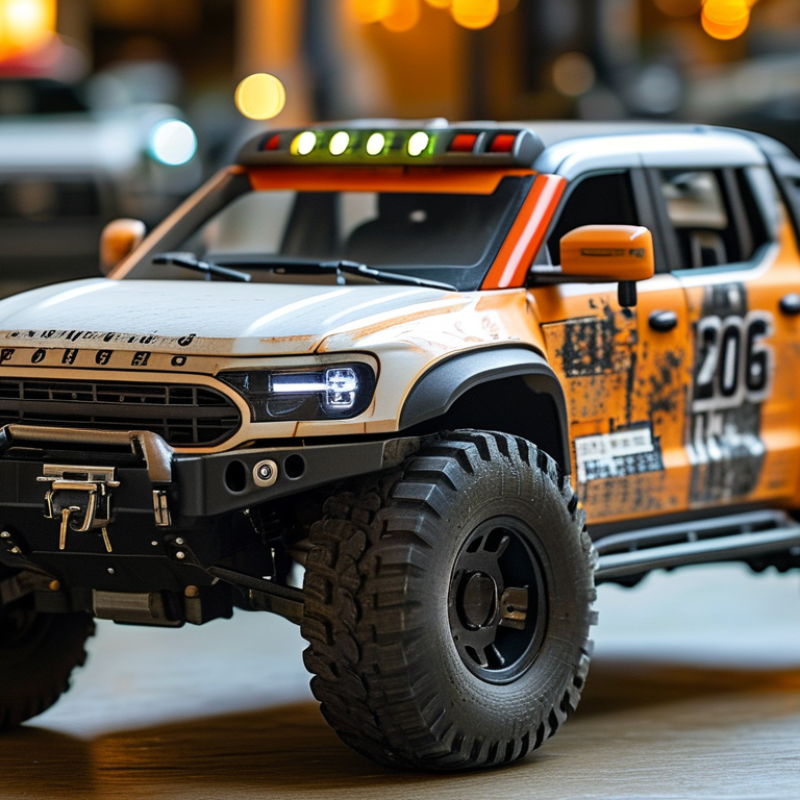
Key Characteristics of Toy Grade RC Vehicles
Toy grade RC vehicles are designed primarily for fun and casual use. They are often made from lightweight materials. This construction allows for easy handling but limits durability. Many toy grade RC cars come ready to run straight out of the box. This simplicity appeals to younger users and beginners. However, the limited options for customization can frustrate more experienced hobbyists.
These vehicles typically have less powerful motors. This results in slower speeds and shorter ranges. Battery life can be inadequate for prolonged play, requiring frequent recharging. The controls may also lack precision compared to their hobby grade counterparts. Users may find their performance unsatisfactory on rough terrain. Nevertheless, they serve their purpose well for casual play in controlled environments. They encourage outdoor activity and imaginative play in children.
Inexperience often leads to disappointment with toy grade RC vehicles. Parents might underestimate the level of interest kids have in RC driving. These vehicles sometimes fail to meet expectations, leading to a brief interest. Despite their affordability and accessibility, they may not satisfy everyone. Exploring hobby-grade options could open new avenues for enthusiasts.
Comparison of Toy Grade vs Hobby Grade RC Vehicles
This chart compares key characteristics between Toy Grade and Hobby Grade RC Vehicles across various dimensions such as Price Range, Durability, Performance, Speed, and Customization. Toy Grade vehicles tend to be less expensive and less durable, while Hobby Grade vehicles offer superior performance and greater customization options.
Durability and Performance Metrics of Hobby Grade RC Vehicles
Hobby grade RC vehicles stand out for their superior durability and performance metrics compared to toy grade models. These vehicles are constructed with high-quality materials, often including stronger plastics and metals. According to industry reports, hobby grade RC vehicles can withstand impacts up to 30% better than their toy counterparts. This increase in durability allows them to perform in various terrains without significant wear.
The performance of hobby grade vehicles is another critical aspect. They often feature more powerful motors and better suspension systems. For example, a recent study showed that hobby grade vehicles could reach speeds of over 30 mph. In contrast, toy grade vehicles typically max out around 10 mph. The increased speed and responsiveness of hobby grade vehicles provide a more thrilling experience, especially for serious enthusiasts.
However, it is important to acknowledge that not all hobby grade vehicles perform equally. Variation in design and manufacturing can lead to inconsistencies. Maintenance is also essential to ensure optimal performance. Neglecting regular upkeep can result in degraded durability and performance, making it vital for users to invest time and effort into their hobby grade models.
Cost Comparisons: Toy Grade vs. Hobby Grade RC Vehicles
When comparing toy grade and hobby grade RC vehicles, cost is often a deciding factor. Toy grade vehicles usually fall within a price range of $20 to $100. These models often lack the durability and customization options of higher-end vehicles. In contrast, hobby grade RC vehicles typically start around $200 and can escalate to over $1,000. According to a report by the Radio Control Hobbyist Association, hobby grade models offer higher performance and longevity, making them a worthier investment for enthusiasts.
Choosing between these two grades requires careful consideration. For casual users, toy grade models may suffice for simple fun. Hobby grade vehicles, however, often exhibit superior components, such as stronger motors and better electronics. This can enhance overall performance, especially for racing or off-roading. However, maintenance and repair costs can accumulate, so it's crucial to budget for potential upgrades.
Tips: Before purchasing, assess your intended use. Are you seeking casual enjoyment or serious racing? Reading reviews from trusted hobbyist forums can also provide insight. Do not forget that your skill level and commitment to maintenance will play significant roles in the experience.
Customization Options in Hobby Grade RC Vehicles
Hobby grade RC vehicles offer a world of customization options that toy grade models simply cannot match. Enthusiasts often start with a basic chassis, then choose various components to enhance performance. This includes motors, electronic speed controllers, and specialized tires. Each choice can significantly alter how the vehicle performs on different terrains.
For those looking to personalize their RC vehicles, the possibilities are nearly endless. You can modify the body for improved aerodynamics or paint it in unique colors. Additionally, upgrading suspension systems can enhance stability. However, with endless options comes the pressure to make the right decisions, which can be overwhelming.
Many hobbyists find joy in experimenting. Trying various setups can lead to unexpected challenges, such as compatibility issues between parts. These roadblocks serve as learning moments. It's essential to embrace the trial-and-error aspect of customization. An open mind ensures improvement, and with practice, the possibilities of customization become endless.
Target Demographics and Market Trends in RC Vehicle Categories
The market for RC vehicles has evolved significantly in recent years. Understanding the target demographics for toy grade and hobby grade vehicles reveals important trends. Toy grade vehicles typically appeal to younger audiences. They are easy to use and often found in stores. These vehicles attract casual users, focusing on fun over performance.
On the other hand, hobby grade RC vehicles are aimed at enthusiasts. This group often includes teenagers and adults who seek advanced features. Hobbyists invest in customization and repairs, reflecting their deeper commitment. They engage in communities, sharing knowledge and experiences. This creates a vibrant culture that encourages learning and innovation.
Not all hobbyists are satisfied. Some struggle with technical challenges or find the initial investment daunting. They may wish for more accessible options. Understanding these frustrations can help manufacturers address gaps in the market. Ultimately, the growth of RC vehicles hinges on recognizing and adapting to the needs of both casual users and dedicated hobbyists.
FAQS
: Hobby grade RC vehicles are more durable and perform better due to higher quality materials and components.
Hobby grade vehicles can reach speeds over 30 mph, while toy grade models typically max out around 10 mph.
Yes, they can withstand impacts up to 30% better than toy grade models, making them suitable for different terrains.
Performance varies due to design, manufacturing inconsistencies, and the user's maintenance habits.
Toy grade vehicles range from $20 to $100, while hobby grade models typically start around $200 and can exceed $1,000.
Regular maintenance is crucial; neglect can lead to degraded performance and durability over time.
Users can modify motors, electronic speed controllers, tires, and even body designs to enhance performance and appearance.
Yes, compatibility issues may arise, which can be frustrating but also serve as important learning moments.
It's common to feel pressured but embracing trial and error can lead to valuable insights and improvements.
Assess your intended use and skill level. Casual users may prefer toy models, while serious enthusiasts should consider hobby grade options.
Conclusion
The article explores what are the differences between toy grade and hobby grade RC vehicles by examining key characteristics, performance metrics, and market trends. Toy grade RC vehicles are designed primarily for children, focusing on basic functionality and entertainment, often lacking in durability and advanced features. In contrast, hobby grade RC vehicles are built for enthusiasts, offering superior durability, performance, and a variety of customization options that appeal to a more serious demographic.
Additionally, the cost comparison reveals that while toy grade vehicles are more affordable, hobby grade options, though pricier, provide greater long-term value through their advanced capabilities and longevity. The article highlights the different target demographics, noting that hobby grade vehicles attract a more dedicated audience willing to invest in their interests, while toy grade vehicles are primarily aimed at casual users or children. Overall, understanding these aspects aids in making informed decisions based on needs and preferences in the RC vehicle market.
 HSED Toys

