2026 Best Remote Control Vehicles for Supporting STEM Learning?

Time:2026-07-04 Author:Charlotte
0%

As education continues to evolve, the role of STEM (Science, Technology, Engineering, and Mathematics) learning has gained increasing importance. According to a report by the U.S. Bureau of Labor Statistics, STEM occupations are projected to grow by 8% from 2019 to 2029, highlighting a critical demand for skilled professionals in these fields. In this context, hands-on learning tools like remote control vehicles have emerged as valuable resources. These vehicles not only engage students but also foster essential skills.

How can remote control vehicles support STEM learning? They offer practical experience in engineering principles through design and construction. Students build prototypes, understand circuit connections, and learn programming concepts. Additionally, these vehicles can spark interest in robotics and technology, creating pathways for future careers. However, despite their benefits, not all students may grasp these concepts easily, necessitating further exploration and refinement in teaching approaches.

Moreover, remote control vehicles can encourage collaboration and problem-solving. While students work together, they develop critical thinking and communication skills. However, the challenge remains in ensuring that every student participates actively. This highlights the need for educators to create inclusive environments where all can benefit. As we explore the best remote control vehicles for STEM learning in 2026, understanding their impact on education will be crucial.
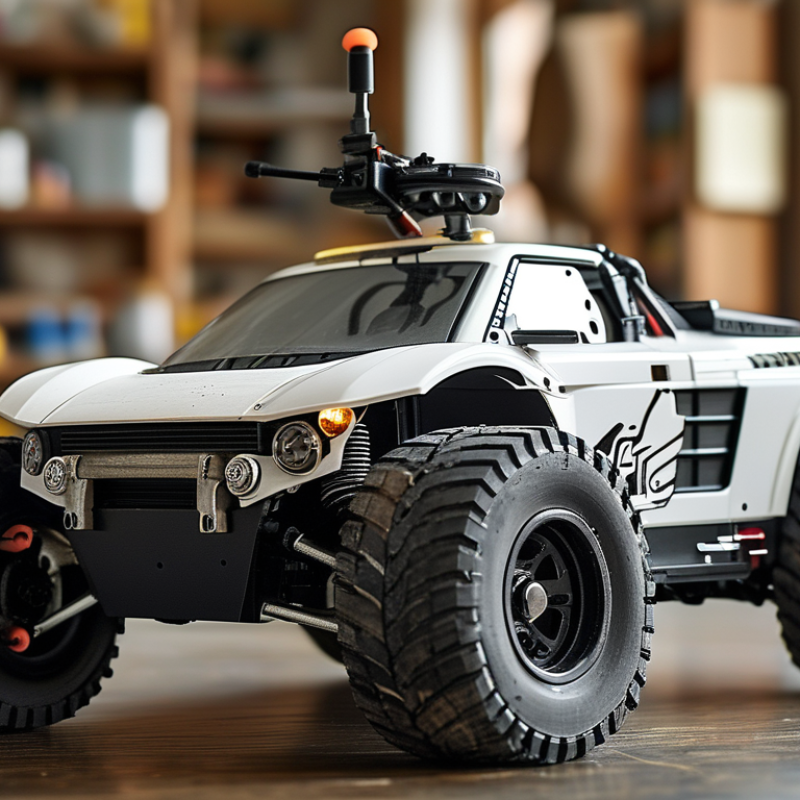
2026 Best Remote Control Vehicles for Supporting STEM Learning?

What Are Remote Control Vehicles?

Remote control vehicles (RCVs) are more than just toys; they are valuable educational tools that foster STEM learning. These vehicles include drones, cars, and boats that can be operated remotely. Engaging with these devices allows students to explore concepts in science, technology, engineering, and mathematics. According to the National Science Foundation, hands-on learning significantly improves comprehension and retention of STEM concepts by up to 75%.

RCVs encourage creativity and problem-solving skills. Students can design their own vehicles, considering factors like aerodynamics and weight distribution. The process involves critical thinking and engineering principles. Research shows that students who participate in interactive STEM activities exhibit a 20% increase in their interest in pursuing careers in these fields. However, not all students are engaged by the same methods, making it crucial to tailor learning experiences to individual interests.

Despite their benefits, challenges remain in implementing RCVs in educational settings. Access to technology can be uneven across schools, potentially widening the education gap. Moreover, teachers may need additional training to effectively integrate RCVs into their curricula. It is essential to overcome these hurdles to maximize the potential of remote control vehicles as innovative learning tools in STEM education.

2026 Best Remote Control Vehicles for Supporting STEM Learning

This chart illustrates the educational value of various types of remote control vehicles in supporting STEM learning. The scores range from 1 to 10, with higher scores indicating a greater potential for educational engagement.

The Role of Remote Control Vehicles in STEM Education

Remote control vehicles (RCVs) can play a significant role in STEM education. They engage students in hands-on learning experiences. By using RCVs, learners explore principles of science, technology, engineering, and mathematics in a fun way. These vehicles encourage problem-solving skills and teamwork. Students gain practical knowledge while building and programming their own RCVs.

Tips: Start with simple projects. Choose vehicles that are easy to assemble. This will prevent frustration and keep students motivated. Incorporate challenges that require critical thinking. For example, ask students to design a route with obstacles. Let them adjust their RCVs to overcome these challenges. This fosters creativity and adaptiveness.

However, not all students may feel comfortable with RCVs at first. Some might struggle with programming or assembly. Be patient and offer support. Encourage collaboration among peers. This can help them learn from one another. Reflect on the successes and challenges faced during projects. Understanding these experiences will build resilience and confidence in students.

Top Features to Look for in Remote Control Vehicles for Learning

When selecting remote control vehicles for STEM learning, certain features can significantly enhance the educational experience. Look for vehicles that encourage problem-solving and critical thinking. Models that can be assembled or modified foster creativity and engineering skills. Consider options with programmable functions to introduce coding concepts. This hands-on approach makes learning engaging.

Durability is another key factor to keep in mind. Children may crash or mishandle vehicles, so robust construction is essential. Vehicles that can tackle various terrains also provide opportunities for experimentation. This adds a fun element while teaching physics concepts, such as traction and momentum.

Finally, seek vehicles that promote teamwork. Models designed for group activities or challenges can spark collaboration. Children learn to communicate ideas and share responsibilities, important skills for the future. While the right vehicle can greatly enhance STEM learning, there is no one-size-fits-all solution. Each child's interests and learning style must be considered.

2026 Best Remote Control Vehicles for Supporting STEM Learning

Vehicle Type Key Features Educational Benefits Recommended Age Price Range
Robotic Car Programmable, Sensor Integration, Remote App Control Coding Skills, Problem Solving, Critical Thinking 8+ $50 - $150
Drones Stabilization System, HD Camera, GPS Navigation Teamwork, Spatial Awareness, Engineering Basics 10+ $100 - $600
RC Boats Water Resistant, Easy Control, Adjustable Speed Physics Principles, Environmental Awareness 6+ $30 - $120
Construction Vehicles Operating Mechanisms, STEM Kits, Multi-Functional Engineering Concepts, Mechanics, Hands-On Learning 7+ $40 - $200
Race Cars Speed Control, Customizable Design, Racing Apps Mathematics, Engineering Design, Competitive Spirit 8+ $40 - $100

Best Remote Control Vehicles for Different Age Groups and Skills

Remote control vehicles offer unique opportunities for STEM learning across various age groups. For younger children, ages 5 to 8, simple RC cars with intuitive controls enhance motor skills. Kids can learn about basic physics concepts, like speed and direction. These vehicles often come with colorful designs that naturally draw children’s attention. However, the challenge of mastering controls can lead to frustration. Learning through trials can teach children resilience and problem-solving.

For children aged 9 to 12, more advanced models like drones or robots come into play. These vehicles often require coding and critical thinking. Engaging with programming basics stimulates creativity and analytical skills. Kids can build their own structures, but they might face issues with stability or malfunctioning parts. This encourages them to troubleshoot and experiment, important aspects of engineering.

Teenagers, ages 13 and up, benefit from high-tech RC vehicles. These often include features like GPS tracking or advanced simulations. Students get the chance to explore more complex concepts like aerodynamics and circuitry. However, navigating complex systems can be daunting. It’s vital for them to reflect on failures and iterate on their designs. This blend of hands-on experience and critical observation fosters essential skills for future careers in STEM fields.

Integrating Remote Control Vehicles into STEM Curriculum Activities

Remote control vehicles can engage students in a hands-on way. They are versatile tools that foster curiosity and critical thinking. By incorporating these vehicles into STEM activities, educators can create dynamic learning experiences. Students can explore concepts such as physics, engineering, and programming through practical applications.


For example, students could build their own remote-controlled cars. This process involves design thinking and problem-solving. They learn to test and iterate on their designs. Such activities encourage collaboration, as students often work in teams to tackle challenges. However, teachers must ensure that these projects align with curriculum standards, which can sometimes be a balancing act.


Integrating remote control vehicles also invites opportunities for reflection. Students may struggle with technical issues or design flaws. These moments are crucial for learning. Educators can guide discussions on what went wrong and how to improve the project. This process of trial and error fosters resilience and persistence, essential skills in STEM fields.

FAQS

: How do remote control vehicles contribute to STEM education?

: RCVs engage students in hands-on learning. They explore science, technology, engineering, and math while having fun.

What types of projects are recommended for beginners?

Start with simple assembly projects. Choose vehicles that are easy to build to keep students motivated.

How can challenges be incorporated into RCV projects?

Incorporate obstacles students must navigate. Let them adjust their vehicles to overcome these challenges effectively.

What should educators do if students struggle with RCV tasks?

Be patient and offer support. Encourage peer collaboration to help students learn from one another’s experiences.

What features should be prioritized when selecting RCVs for learning?

Look for vehicles that support problem-solving. Models that can be assembled and programmed encourage creativity.

Why is durability important in remote control vehicles?

Children may mishandle vehicles, so robust construction ensures longevity. This prevents frustration during learning activities.

How do RCVs aid in teaching physics concepts?

Vehicles that tackle various terrains help teach traction and momentum concepts. They add a practical aspect to learning.

What role does teamwork play in RCV projects?

Team-oriented models promote communication and shared responsibilities. These skills are vital for future collaboration.

Why might RCV selection vary among students?

Each child's interests and learning styles differ. A suitable vehicle needs to match these unique preferences.

What can educators reflect on after RCV projects?

Reflect on both successes and challenges faced. This understanding builds resilience and confidence in students.

Conclusion

Remote control vehicles (RCVs) are programmable devices that can be operated from a distance using a remote control. These vehicles play a significant role in STEM education by helping students engage with concepts in science, technology, engineering, and mathematics through hands-on learning experiences. When asking how can remote control vehicles support STEM learning, the answer lies in their ability to teach problem-solving skills, enhance collaboration, and encourage creativity.

When selecting RCVs for educational purposes, key features should include ease of use, durability, and compatibility with various learning levels. It's essential to choose vehicles that cater to different age groups and skill sets, providing tailored learning experiences. Integrating RCVs into STEM curriculum activities can foster a deeper understanding of technical concepts and bring theoretical principles to life, making learning both fun and educational.

Charlotte

Charlotte

Charlotte is a seasoned marketing professional with a deep understanding of the company's portfolio and a passion for elevating its presence in the market. With a keen eye for detail and a commitment to excellence, she ensures that our professional blog is regularly updated with insightful articles......